The Chicago Bears aren't leaving Lake Forest. They might, however, ask North Shore season-ticket holders to drive past Soldier Field on game days.
Bears President and CEO Kevin Warren declared Thursday, Aug. 13, at the team's Halas Hall headquarters on Football Drive that Hammond, Indiana is the franchise's "sole focus" for a new stadium and mixed-use development. He named two specific sites, confirmed the McCaskey family has committed $2 billion in private money toward the project and said Illinois talks have essentially stalled.
"Even though we've had occasional meetings with the state of Illinois, our sole focus at this point in time is working on a world-class stadium and mixed-use development in Hammond, Indiana," Warren told reporters, according to Patch.
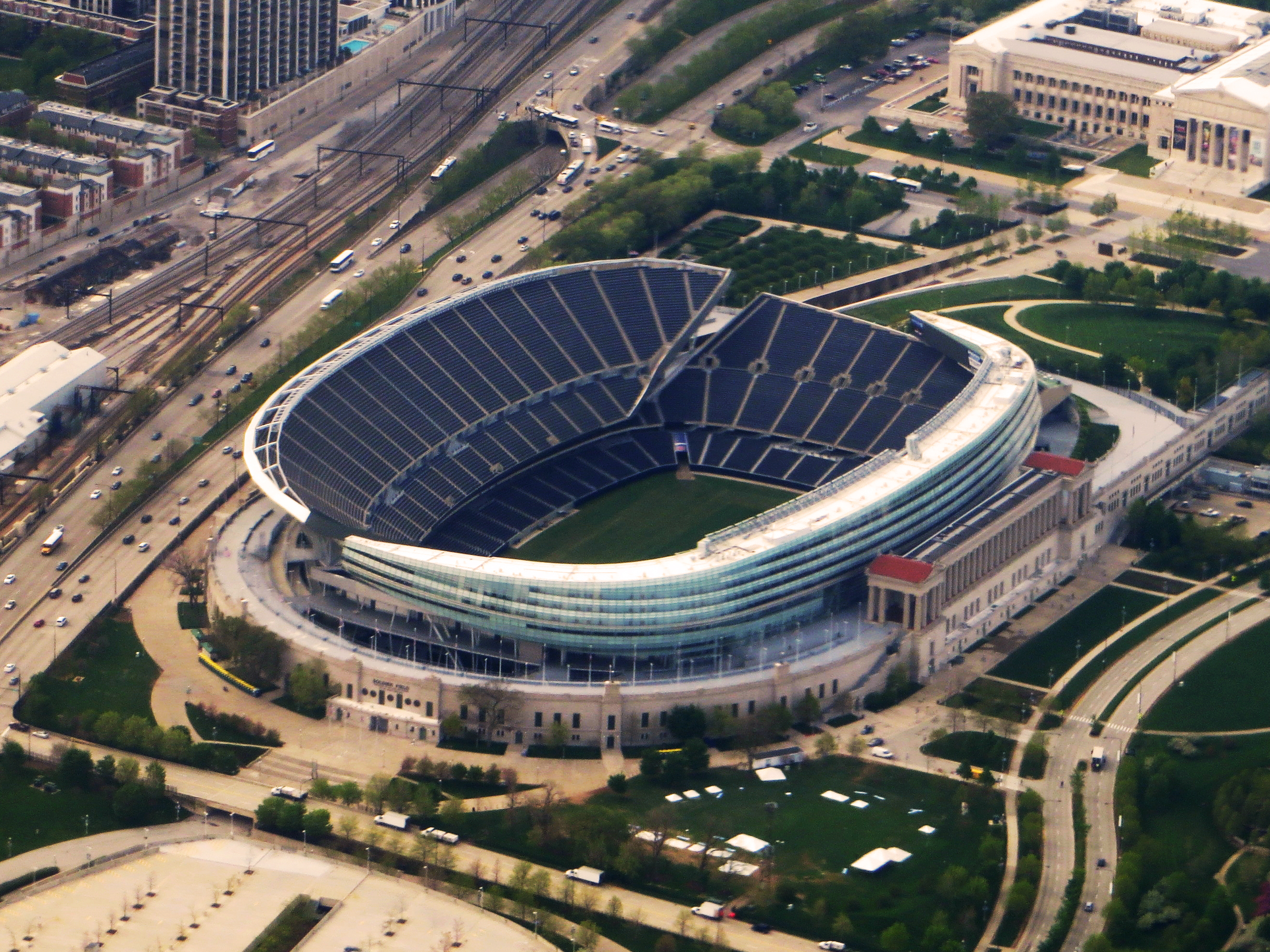
For residents along the Metra UP-N line who commute to Bears games, the geography is worth noting: Hammond sits roughly 20 miles south of Soldier Field, meaning a new stadium there would actually be closer to Halas Hall in Lake Forest than the team's current game-day venue is, according to an AP report. The Bears reaffirmed in February that their practice facility and corporate headquarters will remain in Lake Forest regardless of where the stadium is built.
Warren, a Lake Forest resident himself, identified two Hammond properties under consideration: the Lost Marsh Golf Course, where due diligence is complete and the land has been confirmed viable, and the Wolf Lake Terminal site, where environmental studies continue. He said the team may merge both into a single larger development. NFL Commissioner Roger Goodell has personally visited the Lost Marsh property.
Illinois talks go quiet
Bears Chairman George McCaskey called discussions with Illinois lawmakers since the board's June 5 vote to focus on Hammond "minimal." The Bears have no written proposal before the state, he said.
Gov. JB Pritzker, speaking at the Illinois State Fair the same morning, confirmed the Bears have not presented bill language to his administration.
Warren said the team's requirements for an Illinois project have never changed: property tax certainty and infrastructure certainty. Neither has materialized.
Indiana, meanwhile, has authorized up to $1 billion in public funding through a combination of food-and-beverage, hotel and admissions taxes in Lake and Porter counties, according to the Chicago Tribune.
McCaskey was blunt about urgency. Warren said stadium development costs are rising by nearly $150 million per year. McCaskey invoked NFL Commissioner Goodell's advice: "Hope is not a strategy."
What North Shore residents should know
The franchise will remain the "Chicago Bears" regardless of where the stadium lands, McCaskey said. The Bears' current lease at Soldier Field runs through 2033, though the team can pay a fee to break it early.
McCaskey acknowledged fan anxiety about crossing state lines but argued Hammond's proximity makes the adjustment manageable. He pointed to the Kansas City Chiefs, whose own stadium talks have included a possible state-line move.
Arlington Heights Mayor Jim Tinaglia told the Daily Herald he remains hopeful Springfield and the Bears can still reach a deal, though he acknowledged planning discussions have "slowed down."
The Illinois General Assembly's fall veto session, scheduled Nov. 17–19 and Dec. 1–3, represents the next window for any Illinois stadium legislation. Warren declined to set a timeline for a final decision.
On the field, the Bears host the Cleveland Browns at noon Saturday, Aug. 15, at Soldier Field in their preseason opener.