The name "New Trier" shows up on high school jerseys, township maps and tax bills across the North Shore. On Thursday, Oct. 1, local researcher Angelique Burbach will explain where it came from and why it stuck.
Burbach will present "From Trier to New Trier: The German Heritage of Chicago's North Shore" at 7 p.m. at the Wilmette Public Library, 1242 Wilmette Ave. The free lecture is hosted by the Wilmette History Museum. No registration is listed in the event announcement; the museum can be reached at (847) 853-7666 for questions.
The story begins in the 1830s, when German immigrants from the Trier and Koblenz regions of the Kingdom of Prussia settled along the North Shore. They named their community after their home region, and New Trier Township was officially established in 1850. It now includes Winnetka, Wilmette, Glencoe and Kenilworth, plus parts of Northfield and Glenview.
Who gets credit for the name? That's still disputed. Some historians point to a member of the Happ family; others credit John Frederick Schildgen of the Village of Gross Point.
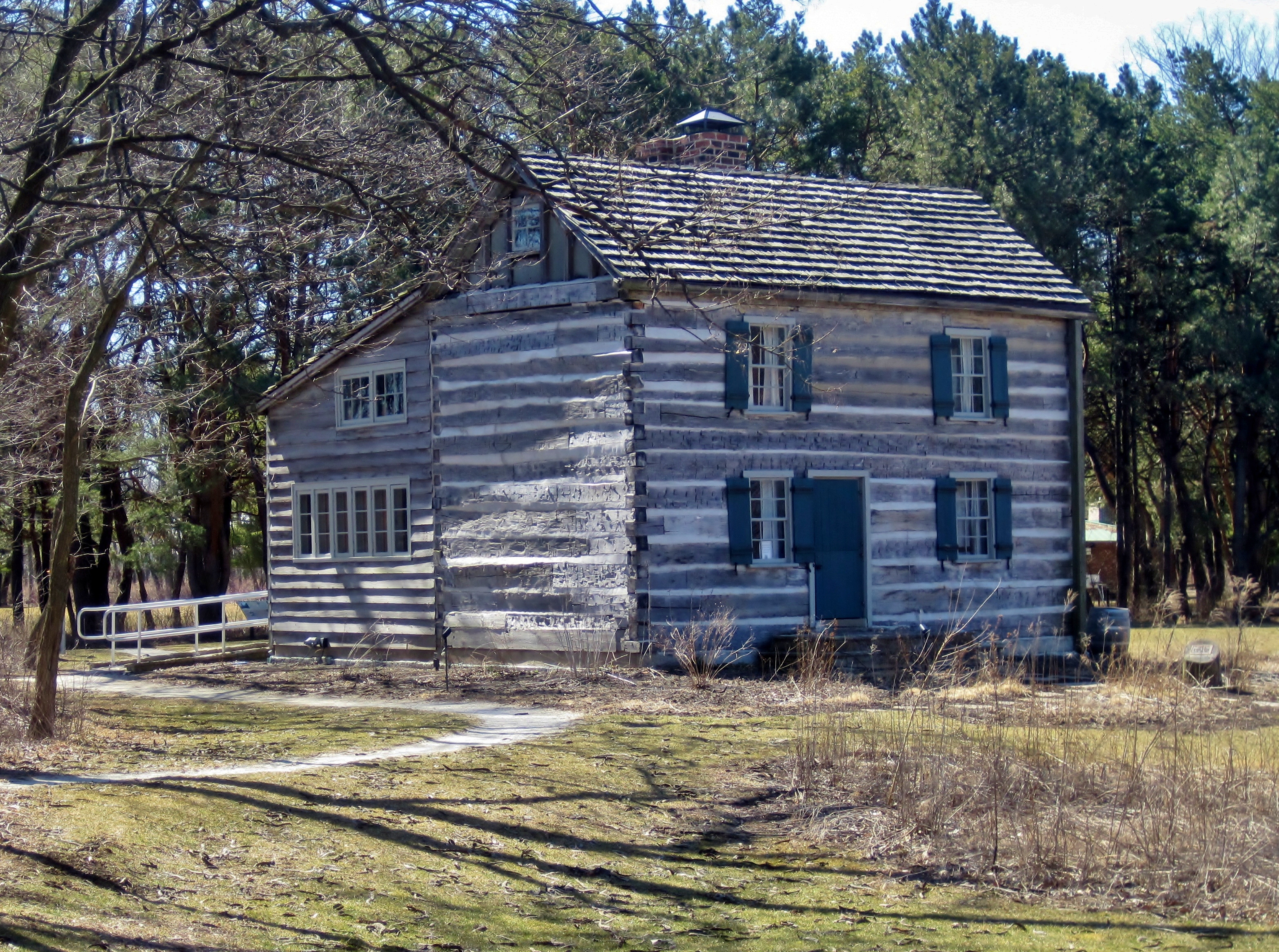
Those settlers left marks that residents pass every day without a second thought. Burbach, who published an article on the subject in the Winnetka Historical Society's Spring/Summer 2026 Gazette, traces the connections: John Happ, a blacksmith from Trier, gave his name to Happ Street and The Happ Inn in Northfield. The Schmidt-Burnham Log House in Crow Island Woods was built by Peter Schmidt, who arrived in what would become Winnetka in 1839. Family names like Alles, Meyer, Conrad and Blasius still echo through local street signs.
The lecture will also cover the founding of St. Joseph's Church at Ridge and Lake in Wilmette, established by German immigrants in 1842 and originally housed in a log cabin. Its pastor from 1872, Rev. William Netstraeter, served the parish for five decades and twice served as president of the Wilmette Village Board. He campaigned through four referendums to establish a township high school. After three failures, the fourth succeeded in 1899, and New Trier High School opened Feb. 4, 1901, welcoming 76 students.
The school's sports teams are called the Trevians, a nod to the Treveri, a Germanic tribe that lived in the Trier region during Roman times. The school seal depicts the Porta Nigra, the ancient Black Gate of Trier, Germany's oldest city.
One of the more dramatic stories Burbach covers is that of Jacob Conrad, born in Trier in the late 1820s. During the 1860 Lady Elgin shipwreck off the North Shore coast, Conrad tied a rope around his waist and plunged into Lake Michigan. He rescued as many as 28 survivors. He later donated relics from the wreck to the Winnetka Historical Society.
In her Spring/Summer 2026 Gazette article, Burbach wrote: "As we attend events at New Trier High School, drive down Happ Road, or visit the Schmidt-Burnham Log House, we are living in the legacy they helped build."