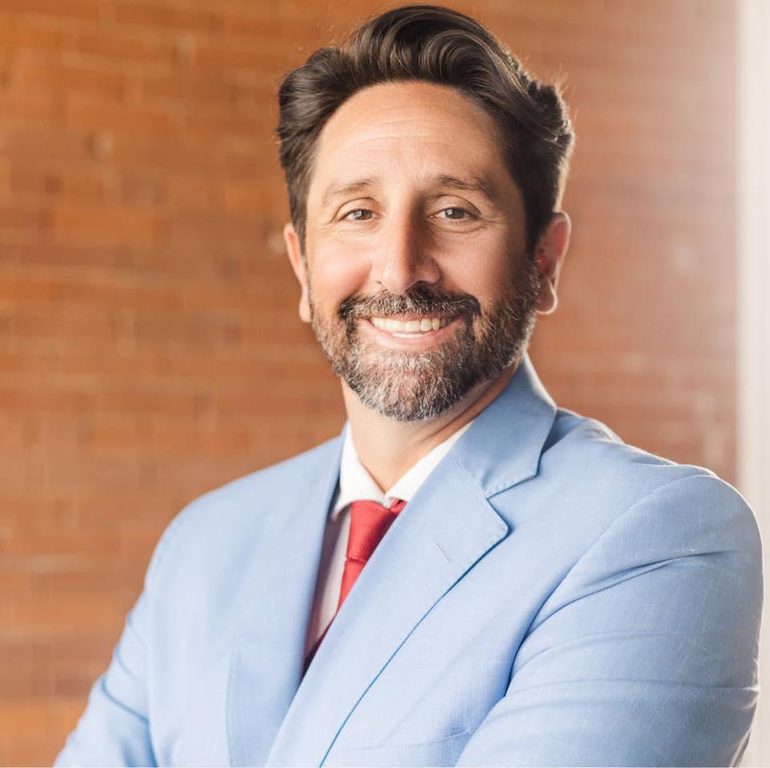
Patrick Hanley, a 36-year-old Democrat, is running for Illinois State Senate District 9 in the Nov. 3 general election. He faces Republican Tom Lally.
The seat carries authority over state legislation, including budgets, taxes, education funding and land-use policy.
Hanley has received endorsements from Jan Schakowsky, the Chicago Tribune Editorial Board, the AFL-CIO, the Illinois Federation of Teachers, Illinois Planned Parenthood Action and the Illinois Sierra Club. Labor unions backing his campaign include IUOE Local 150 and the International Brotherhood of Electrical Workers Local 134.
Candidate information
- Age: 36
- Party: Democratic
- Education: MBA, University of Chicago; master's in public policy, University of Chicago; bachelor's in international affairs, George Washington University
Experience
- Managing director, Mason Rocque (2021–2025)
- Associate, McKinsey & Company (2019–2021)
- Investor, Sustainable Local Food Investment Group (2021–2025)
- Senior advisor, Piglet in Bed (2022–2025)
On the issues
The following positions are drawn from Hanley's responses to BallotReady questionnaires and his campaign website. All statements reflect the candidate's own claims.
Property taxes and budget
Hanley said he supports a graduated income tax and opposes new state-level real estate taxes, such as transfer taxes, that would add costs for homeowners he said already pay the highest property tax rates in the nation. He said the state should handle unfunded pension liabilities through systematic reform rather than shifting costs to local property owners. He also said he would advocate for property tax assessment fairness so homeowners understand how their taxes are calculated.
Housing
Hanley said he wants to expand accessory dwelling units statewide, reduce minimum lot-size requirements and ease zoning restrictions he said limit housing supply. He said he supports transit-oriented development near job centers, inclusionary zoning, community land trusts and fast-track approval for projects that meet affordability or sustainability standards. He also said he would defend anti-discrimination protections and extend them to cover source-of-income discrimination.
Environment and energy
Hanley said he supports Illinois meeting its goals of 40% renewable energy by 2030 and 100% clean energy by 2050. He said he would back expanded community solar programs, investments in flood protection and cooling centers, and nature-based climate solutions such as restoring wetlands and forests. He also said he supports regulating greenhouse gas emissions and investing in renewable energy workforce training.
Healthcare
Hanley said he would protect Illinois's Medicaid expansion and push for coverage of mental and behavioral health services. He said he supports healthcare pricing transparency, expanded preventive care and state-level medical debt relief programs.
Education
Hanley said he supports expanding pre-kindergarten programs statewide. He called it one of the highest-return public investments. He said he would fund teacher training and professional development and ensure teacher salaries are competitive with surrounding states.
Endorsements
Patrick Hanley’s campaign lists endorsements from U.S. Rep. Jan Schakowsky and Illinois state senators Adriane Johnson, Laura Murphy, Julie Morrison, Rachel Ventura and Mark Walker. Former state senators Melinda Bush, Heather Steans and Carol Ronen also appear on the list, alongside local officials from Evanston, Skokie, Wilmette, Northbrook and nearby communities.
His organizational supporters include the Illinois AFL-CIO, Illinois Federation of Teachers, Illinois Education Association, Illinois Nurses Association, SEIU State Council and several firefighter unions. The campaign also lists Planned Parenthood Illinois Action, Personal PAC, the Sierra Club, gun violence prevention group G-PAC, Abundant Housing Illinois and Better Streets Chicago. Political endorsements include Run for Something and the New Trier, Northfield and Maine township Democratic organizations.
Candidate responses were collected through BallotReady questionnaires and the candidate's campaign website.