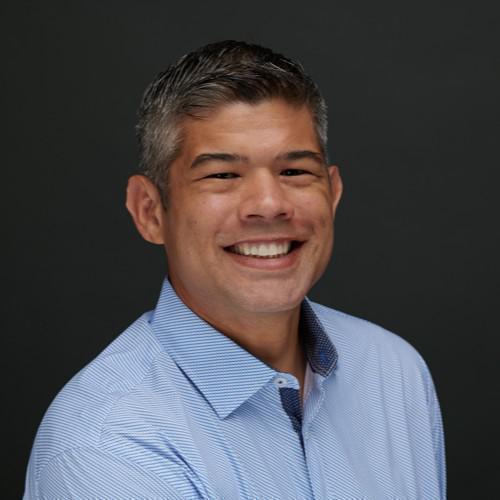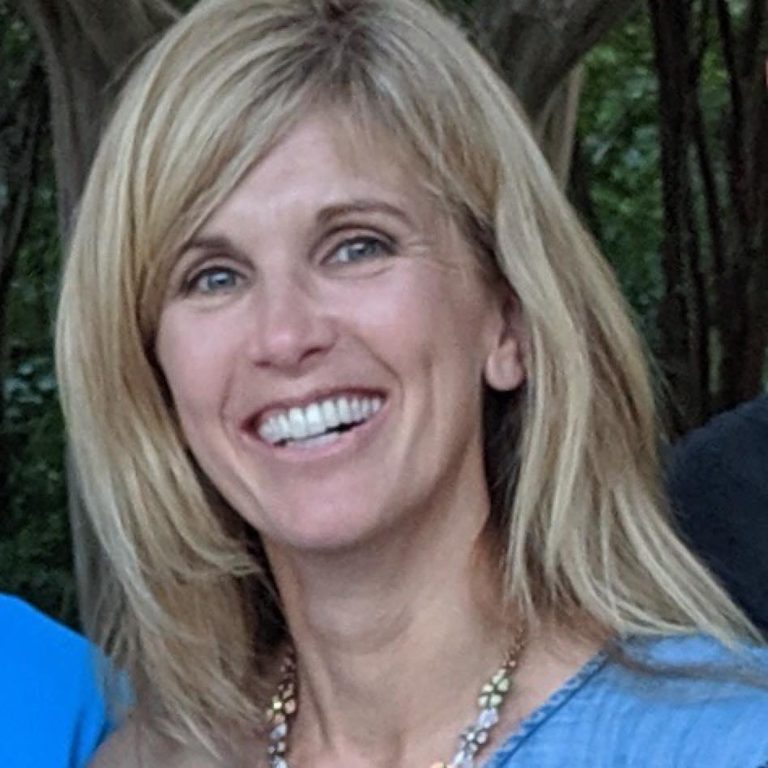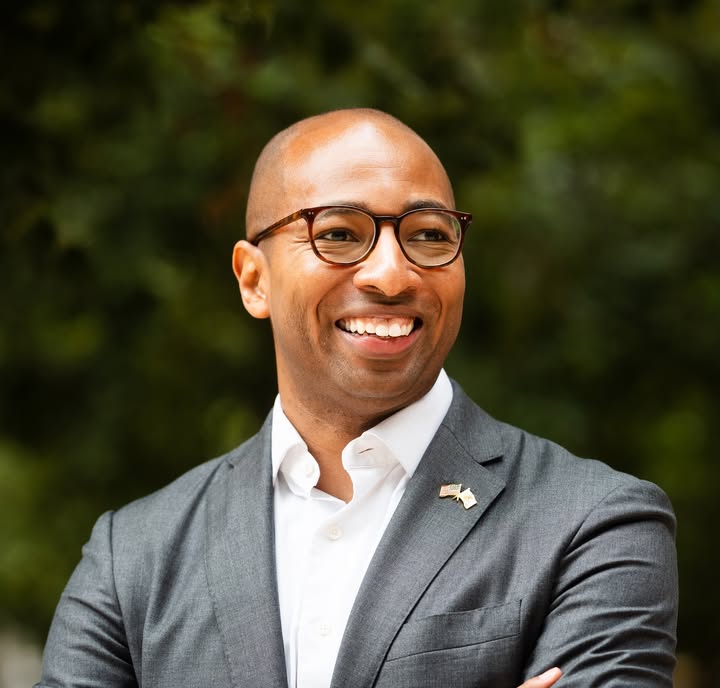
Christian L. Mitchell is the Democratic candidate for Illinois lieutenant governor in the Nov. 3, 2026, general election. He runs on a joint ticket with Gov. JB Pritzker. North Shore voters will see the race on their ballots.
Mitchell faces Republican Aaron Del Mar and independent Carolyn Schofield. In Illinois, the governor and lieutenant governor run as a pair. The lieutenant governor succeeds the governor if the office is vacated and carries out duties the governor assigns.
Pritzker announced Mitchell as his running mate on July 1, 2025, after incumbent Lt. Gov. Juliana Stratton announced she would run for U.S. Senate, according to a Wikipedia entry on Mitchell.
Candidate information
- Party: Democratic
- Hometown: Born and raised in the Chicago area, splitting time between Westchester and Maywood, Illinois, according to Mitchell
- Education: High school diploma, St. Joseph High School, 2004; bachelor's degree in public policy analysis, University of Chicago, 2008; juris doctor, Loyola University Chicago, 2019
- Military service: Captain and deputy staff judge advocate, Illinois Air National Guard, 2023 to present
- Endorsements: AFL-CIO; Cook County Democrats; IUOE Local 150
Mitchell has said he was raised by his mother and grandfather, according to a Block Club Chicago profile. His mother worked as a NICU nurse at Rush University Hospital in Chicago for nearly 40 years, according to Mitchell in an Illinois Public Media interview. His grandfather was a Korean War veteran, union steelworker and church elder, Mitchell has said. Mitchell has cited his grandfather's military service as inspiration for joining the Illinois Air National Guard.
Experience and public service
Mitchell served as a state representative for District 26 in the Illinois House from 2013 to 2019. When first elected in November 2012, he was the youngest member of the 98th General Assembly, according to Illinois Public Media.
He was the first African American to serve as executive director of the Democratic Party of Illinois, according to Wikipedia. A separate experience entry lists his title as interim executive director in 2018. He also worked as a community organizer at Southsiders Organized for Unity and Liberation and served as Midwest media and polling regional director for Obama for America in 2012.
Mitchell served as deputy governor for public safety from 2019 to 2023 and as a senior advisor on the Pritzker-Stratton gubernatorial transition from 2018 to 2019. He also served as director of external affairs for Cook County Board President Toni Preckwinkle. He held the role of vice president of civic engagement at the University of Chicago from 2023 to 2025.
On the issues
The following positions are drawn from Mitchell's campaign materials and media interviews. They reflect the candidate's stated views.
Clean energy: As deputy governor, Mitchell said he led efforts on clean energy policy, including playing a key role in the passage of the Climate and Equitable Jobs Act. He said he supports maintaining the law's 2045 fossil fuel phase-out goal while using its built-in circuit breaker provisions to address reliability concerns. Implementation of the act's timelines and reliability provisions falls under the governor and General Assembly.
Data centers and energy costs: Mitchell said he supports pausing the state data center tax credit and requiring large tech companies building data centers to provide their own power. He said the goal is to prevent everyday consumers and small businesses from bearing higher energy costs. Any change to the tax credit would require legislative action.
Education funding: Mitchell said he advocated for evidence-based education funding reform in Illinois, which he said has directed billions of new dollars to schools that need it most. He said he supports continued increases in K-12 education funding. Funding levels are set by the General Assembly.
Labor: Mitchell's campaign biography states he opposed right-to-work laws while serving as a state representative.
Reproductive rights: Mitchell has described himself as a vocal advocate for a woman's right to choose, according to his campaign materials.
Policy responses attributed to Mitchell are drawn from candidate interviews and campaign materials. Specific implementation details and funding mechanisms were not provided.