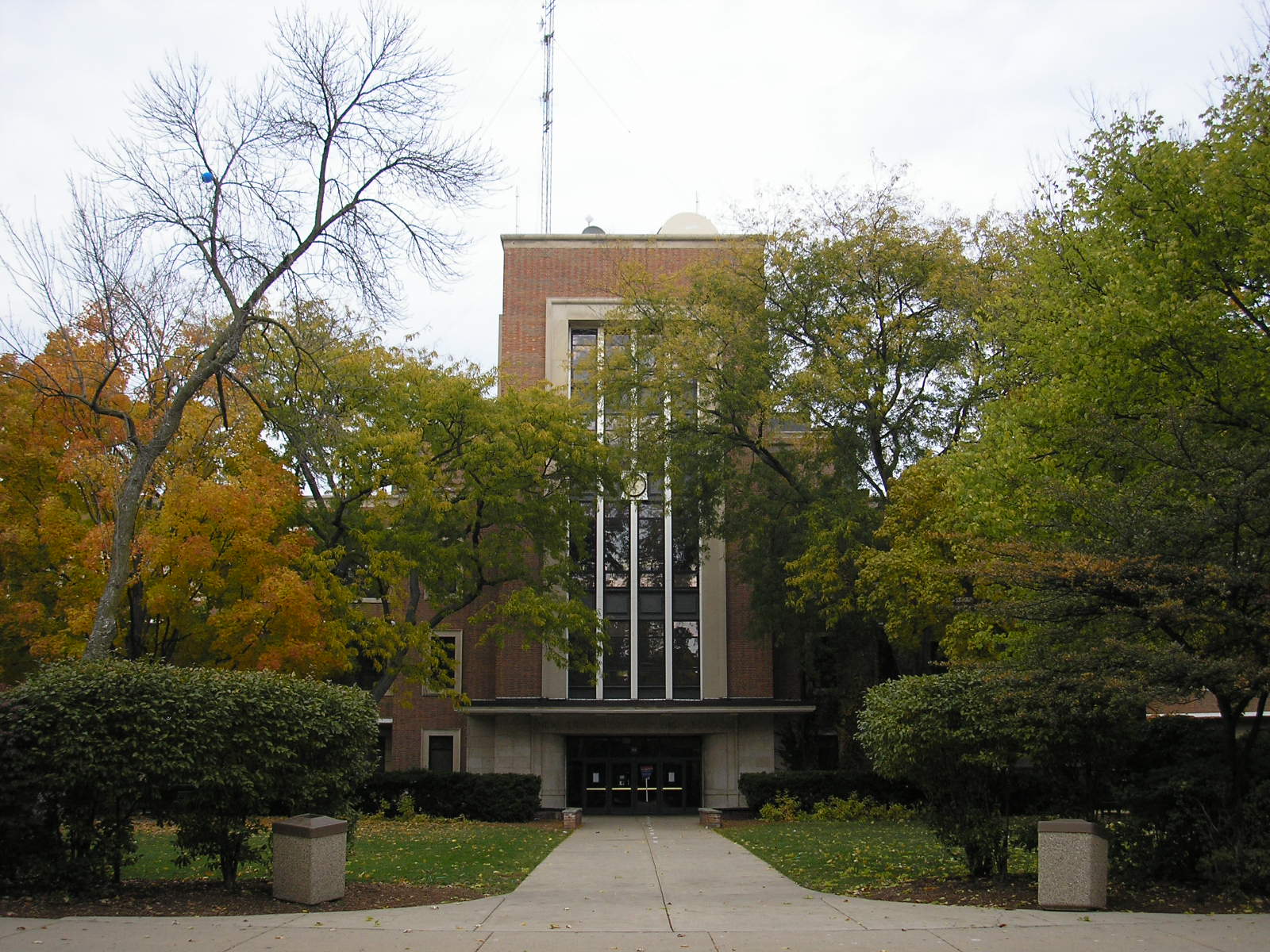
A new book names New Trier High School as a founding partner in a cross-district project whose student advocates helped rewrite Illinois' school funding formula.
Cynthia Taines, an associate professor at Northeastern Illinois University, published The Metropolitan Community: Partnering for Equality Across the Educational Divide through Myers Education Press. The book chronicles the Metropolitan Community Project, a nine-year partnership between Chicago and North Shore high schools that Taines co-founded with teachers and organizers in 2011.
In the project's inaugural 2011–2012 year, New Trier students worked alongside students from Kelvyn Park High School in Chicago's Hermosa neighborhood and Evanston Township High School, the Evanston RoundTable reported on Wednesday, Aug. 26. The project ran through 2020.
The partnership's central achievement: students worked with state legislators to help pass the Illinois Evidence-Based Funding for Student Success Act (EBF) in 2017. That law overhauled how Illinois distributes public education dollars, directing more money to schools serving students with greater needs.
The spending gap
New Trier High School District 203 spends $35,000 per student in total expenditure, according to Illinois Report Card data cited in the RoundTable's reporting. Chicago Public Schools spends $20,000 per student.
A separate Capitol News Illinois analysis published in July found New Trier ranked third in the state among high school districts for per-pupil instructional spending, a narrower measure, at just over $21,000. The district's property tax base sits at nearly $1.9 million per pupil. New Trier receives very little state funding through the EBF formula because of that local wealth.
Chris Johnson, New Trier's deputy superintendent, told Capitol News Illinois in July that the district was "91% funded by local property taxes" and has "a long history of our community generously committing to support our schools." In the same interview, Johnson expressed support for the formula, saying it has brought money to Illinois districts "in an equitable way that focuses on the districts that need the most support."
What students learned
Taines found that more affluent suburban students needed more time to build relationships across the divide. She told the RoundTable that there was "a more immediate comfort and connection" between ETHS students and Chicago Public Schools students, and that "more affluent suburban students who are farther away from the city had a little bit more work and more comfort to build up in order to form relationships with the city students."
Before the EBF reform, Taines found ETHS's per-student spending on counselors, social workers, electives, technology, and science labs was actually very close to New Trier's. ETHS students underestimated their own school's advantage, Taines wrote, because their reference points for privilege were elite suburbs and private schools.
The book is available in paperback ($42.95) and ebook. Taines said she hopes other teachers, administrators, and community members can learn from the project and replicate it across district lines.
After nine years under the EBF formula, annual state funding for Illinois public schools has increased by more than $3 billion, to an estimated $10.8 billion in fiscal year 2026. Still, 537 of 850 districts are funded below 90% of their adequacy target.