Homeowners east of Ridge Road in Wilmette and in combined-sewer areas of Kenilworth could face sewage backing into their basements Tuesday if the region's flood-control system overflows during a severe storm expected to hit between 9 a.m. and 3 p.m.
The National Weather Service has placed all five North Shore villages under an enhanced risk (Level 3 of 5) for severe weather on Tuesday, Aug. 11, warning of wind gusts up to 80 mph, large hail, brief tornadoes and torrential rain. The storms are developing in eastern Iowa and racing east toward the Chicago area.
The timing is dangerous. The McCook TARP Reservoir, the underground flood-control backbone for Cook County, is already at 95% capacity and holding nearly five billion gallons of stormwater and sewage. It has hit full capacity six times in 2026. In the previous five years combined, it reached capacity only five times.
If the system overflows, untreated sewage can back up into basements and discharge into Lake Michigan, triggering beach closures and health hazards along the Wilmette, Kenilworth and Glencoe lakefronts.
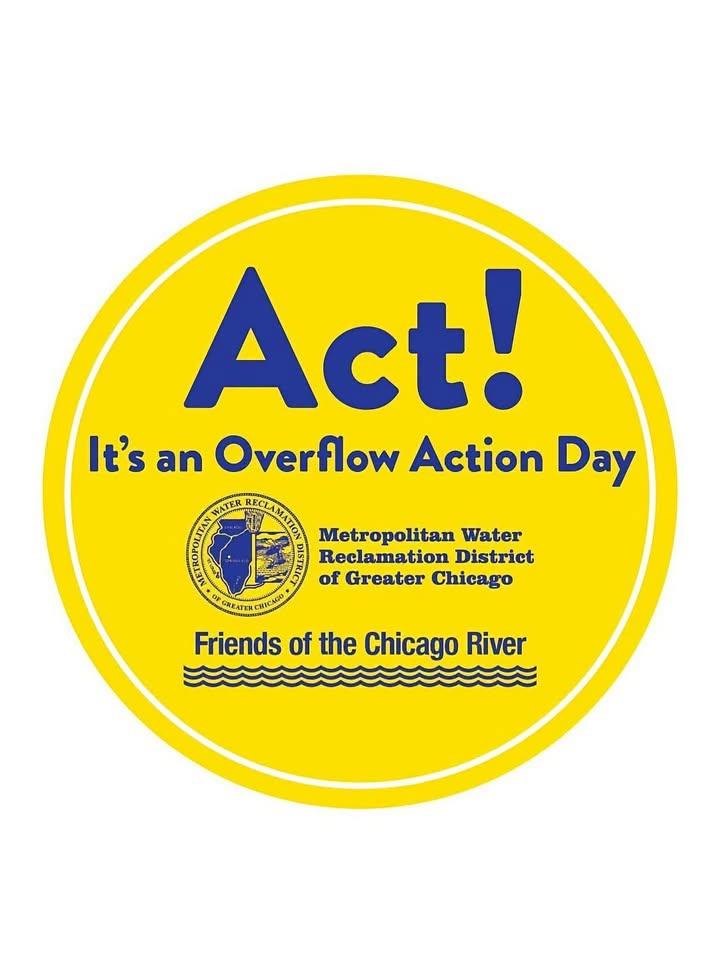
The Metropolitan Water Reclamation District issued an Overflow Action Alert on Tuesday asking residents to limit water use to absolute necessities: delay showers and baths, flush less, and hold off on laundry and dishwashers until rain clears.
MWRD President Kari K. Steele said Sunday that staff is "managing billions of gallons of water at our seven water reclamation plants and through our Tunnel and Reservoir Plan." She urged residents to conserve water to create more capacity in the system.
Who is most at risk
Combined-sewer neighborhoods, where stormwater and wastewater share the same pipes, face the greatest threat. In Wilmette, that means streets east of Ridge Road. Wilmette's $64.1 million Neighborhood Storage Project, completed in late 2022, added 13.8 million gallons of underground storage at Community Playfields, Hibbard Park and Thornwood Park plus five miles of new storm sewer on the west side. But no system eliminates all flood risk during extreme events, according to village records.
As we reported Aug. 4, the MWRD issued a similar alert before the Aug. 7 storms. Tuesday's warning arrives with the system under significantly more stress.
MWRD spokesperson Allison Fore told Engineering News-Record in July that without the TARP system, "those 13 billion gallons of polluted water would have gone directly into the waterways, or worse, backed up into basements of homes and businesses."
What to do now
- Seek shelter immediately if a tornado or severe thunderstorm warning is issued. Have multiple ways to receive alerts, including a weather app on your phone.
- Limit all water use during and after the rain to reduce pressure on the sewer system.
- Watch for flash flooding on roads and in low-lying areas, particularly after 3 to 5 inches of rain fell across parts of the region Sunday and Monday.
- Sign up for MWRD Overflow Action Alerts via text at lp.constantcontactpages.com/su/YhH2xGP/MWRDSignup.
Additional thunderstorm chances continue through the weekend. The MWRD Board of Commissioners meets Thursday, Aug. 13, at 10:30 a.m. at 100 E. Erie St. in Chicago, where Executive Director John Murray is expected to update the status of the TARP system. The McCook Reservoir is being excavated to increase capacity, a project not expected to finish until 2032.