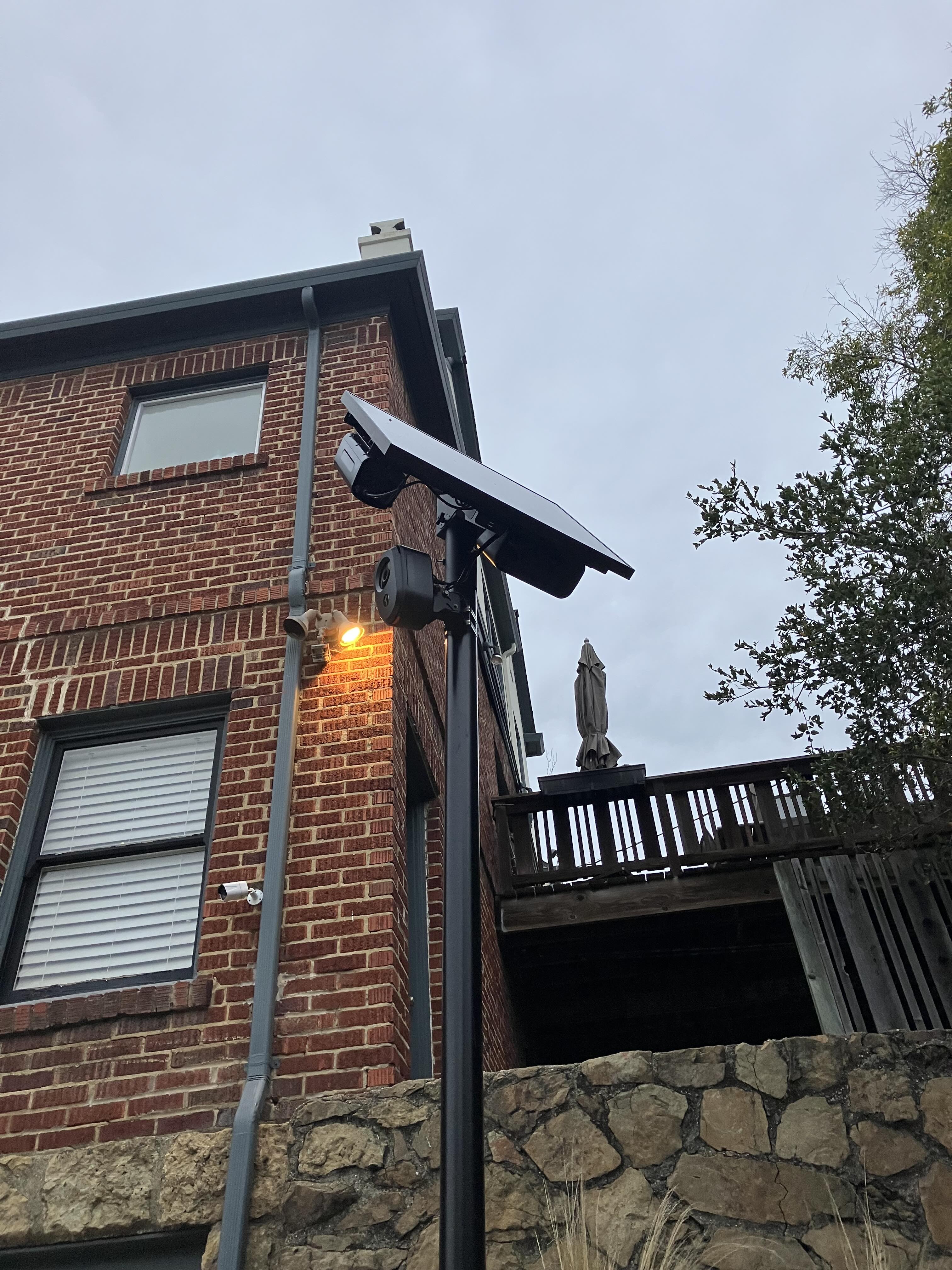
Wilmette residents whose streets are monitored by 22 license plate reader cameras face a pivotal question when the village's Public Safety Committee meets Sept. 10: keep storing that data for 30 days or cut it to seven.
The committee session is the first step in a months-long review of Wilmette's contract with Flock Safety, the company behind the village's automated license plate reader (ALPR) network. As we reported Sept. 1, the contract expires in December. A second committee meeting is planned for October, with a recommendation expected before the Village Board in November.
The review lands just three weeks after Flock Safety announced a major policy shift. On Aug. 13, the company said it would reduce its recommended default data retention period from 30 days to seven days, according to Shaw Local News Network. Flock said more than 90% of ALPR searches that do not include a full plate number happen within a week of the data being logged.
The change does not force existing customers to comply. Wilmette's current policy retains all ALPR data for 30 days, then purges it unless it is connected to a criminal case, according to the village's website. No Wilmette official has publicly said whether the village will adopt the shorter window.
Illinois agencies split on data retention
Across Illinois, police departments are landing on opposite sides.
Wauconda Police Commander Heather Cognac told Shaw Local her department is moving to seven days. "I would hate to see a system that has been extremely successful in solving cases and identifying offenders become unavailable because of improper use by a few agencies or individuals," Cognac said.
Sycamore Police Chief Erik Mahan said his department currently uses 30 days but is considering a shift to seven to 10 days. DeKalb Police Chief David Byrd said his department will stay at 30 days. Will County Undersheriff Dan Jungles said unincorporated Will County will keep 30 days, while the Village of Homer Glen is moving to seven. Kane County Undersheriff Amy Johnson said her office is reviewing the change.
Privacy concerns and documented misuse
Flock's announcement followed a string of documented abuses in Illinois. In June, misconduct charges were filed against Holiday Hills Police Chief William Copp, who was accused of using Flock readers and a law enforcement database to contact and track people he knew. On Aug. 27, the Channahon Police Department placed an officer on administrative leave for allegedly using the system for an unauthorized purpose. That case is under investigation by Illinois State Police.
The ACLU said in a blog post that the shorter retention window could be a step in the right direction but characterized Flock's other new safeguards as inadequate, according to an ACLU press release. The organization said more than 50 agencies or jurisdictions nationwide have canceled, suspended or rejected a Flock contract since the start of 2026. An ACLU of Illinois official has described the connected network of Flock readers as a form of "warrantless surveillance."
Flock operates more than 120,000 plate readers across the country, ABC News reported.
What Wilmette has said so far
In an Aug. 31 statement reported by Patch, village officials said Wilmette has "always had proper controls in place" and that no out-of-state or federal agency has accessed its ALPR data. The village said the system does not use facial recognition, does not capture images of drivers or passengers, and is not used to enforce traffic violations or immigration violations.
Wilmette police have said the cameras provide real-time intelligence on offenses including fraud, retail theft, commercial burglary and vehicular hijacking.
Whether the committee recommends adopting Flock's seven-day retention standard or keeping the current 30-day window is expected to shape the Village Board's contract decision in November.