Mosquito season on the North Shore now stretches nearly seven months, driven by rising temperatures that are pulling disease-carrying species northward faster than scientists predicted.
Mark Clifton, executive director of the North Shore Mosquito Abatement District (NSMAD) in Northfield, laid out the shift in a talk for Natural Habitat Evanston's Nurturing Nature speaker series, as the Evanston RoundTable reported Sept. 7. The season that once ran May through August now begins in late March and lasts through mid-October.
"The most obvious environmental change that we're seeing, long-term, is climate change. This has been particularly acute in the Chicago region," Clifton said.
Urban heat islands are a key factor. Clifton said warmer cities might act more like southern locales, allowing species that normally would not survive this far north to thrive. That warmth also speeds up virus replication inside mosquitoes, making bites more dangerous.
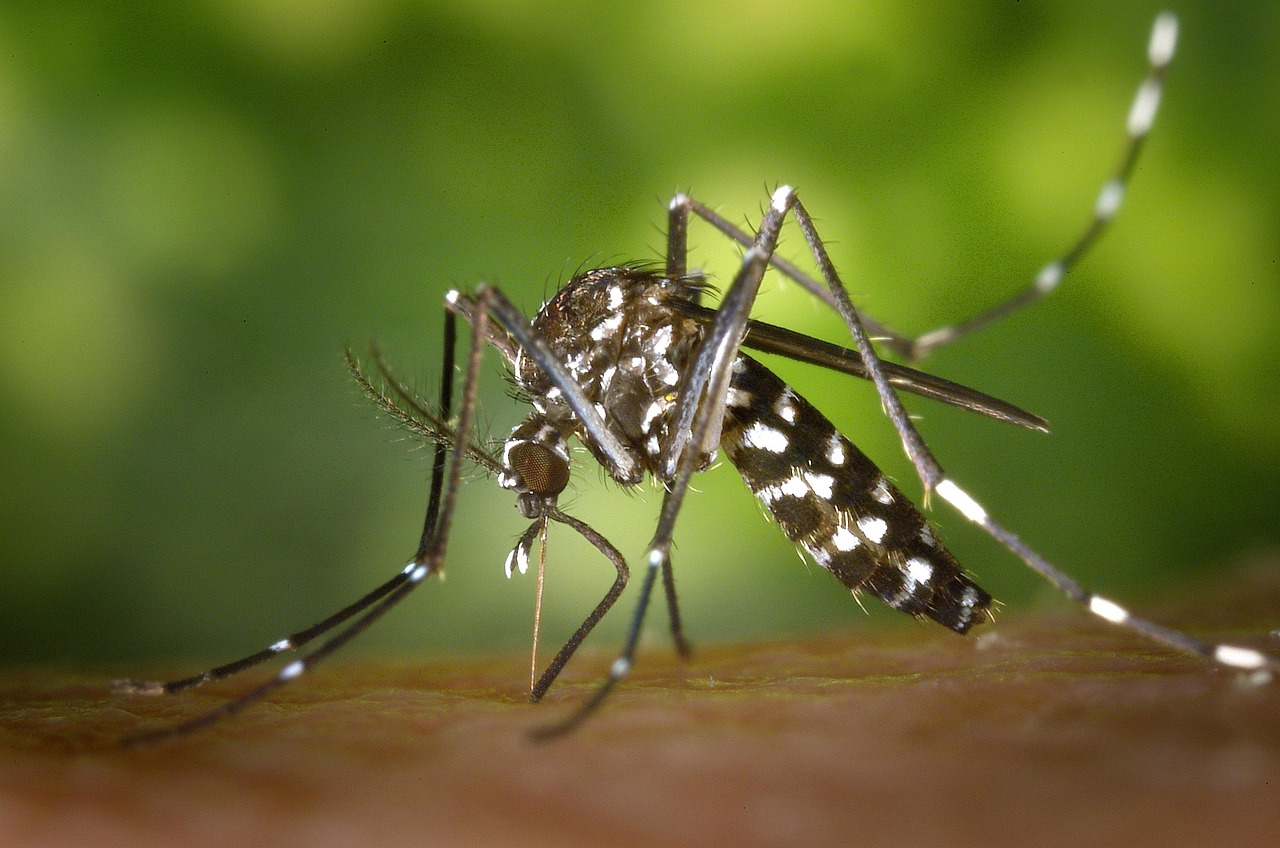
The Asian tiger mosquito illustrates the pace of change. Introduced to Texas in the 1990s, the aggressive daytime biter was not expected to reach Chicago until 2050. It is already established in Evanston, according to Clifton. He said the species has become 10% more efficient at transmitting diseases compared with 50 to 60 years ago.
By early August, West Nile virus-positive mosquitoes had turned up in NSMAD traps across Glencoe, Winnetka, Wilmette, Kenilworth, Northbrook, Highland Park, Glenview, Skokie, Evanston and Riverwoods. As we reported Sept. 6, the virus killed its first Illinois resident this year. The district rated the risk to humans as "low" at that time, according to the Record North Shore.
Ticks are following a similar trajectory. The NSMAD collected more blacklegged deer ticks in the past year than in any previous year of its eight-year surveillance program. Cook County now has an "established" blacklegged tick population, per 2025 CDC data. Clifton told the Evanston RoundTable in August that three more tick species, including the Lone Star tick that spreads the meat allergy alpha-gal, could reach the district within three to five years.
The district has not sprayed for adult mosquitoes in eight years. Instead, it uses targeted larval biocides dropped into sewers and standing water. Clifton warned that private, prescheduled mosquito spray treatments are driving resistance in mosquito populations and killing beneficial insects.
Residents can reduce risk by dumping standing water from containers, toys and tires. Clifton also recommended wearing long sleeves, applying insect repellent or permethrin-treated clothing, and placing a fan on patios. The NSMAD will visit properties to make site-specific recommendations at (847) 446-9434 or nsmad.org.