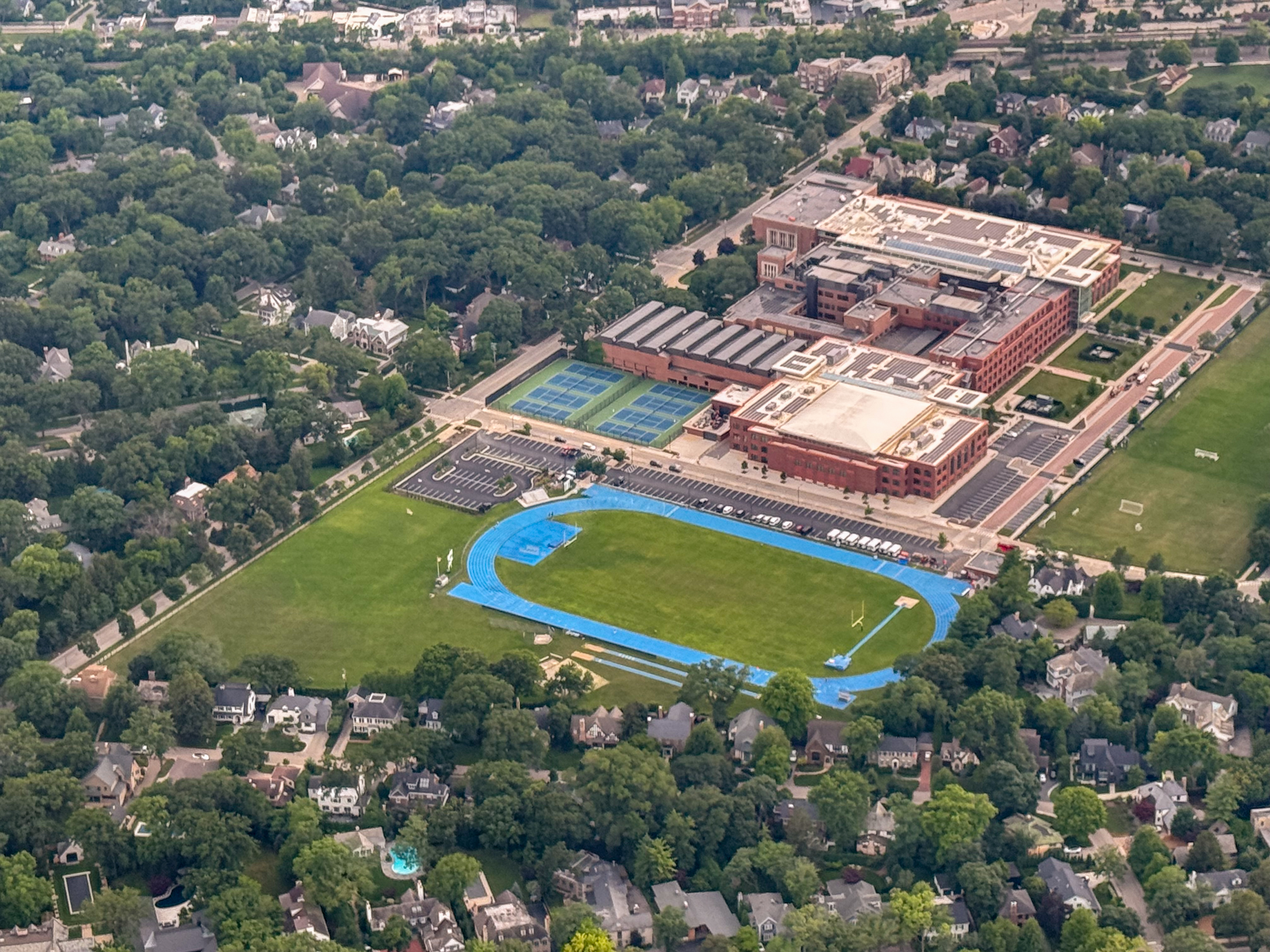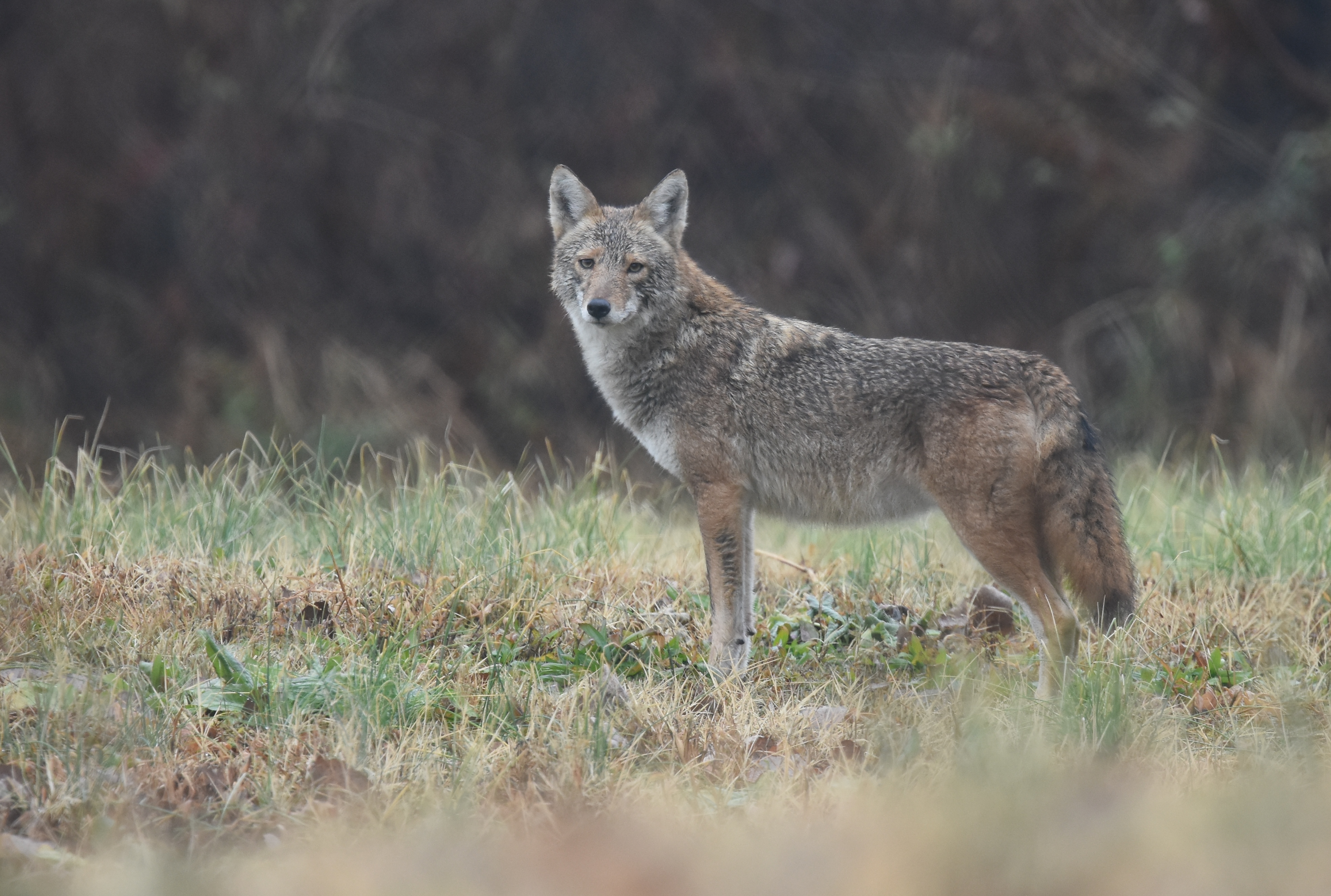
A 9-pound dog is dead after a coyote leaped a 6-foot fence on Woodlawn Avenue in Winnetka on Saturday, July 18, grabbed the animal, and disappeared into the brush along the Green Bay Trail.
Roberta Stewart, who moved from New Orleans to Winnetka three years ago to be closer to her grandchildren, said she let her 10-year-old shorkie, Coco, into the backyard at about 2 p.m. under clear skies. Her partner, Michael, spotted a coyote standing over the dog and yelled for Stewart. She looked outside and screamed. The coyote snatched Coco and cleared the rear fence in one motion.
"It was like nothing for that coyote to go over the fence," Stewart told The Record North Shore. "… [Coco] didn't make a peep."
Two Glencoe Public Safety officers responded. Stewart's property, though on a Winnetka street, falls within Glencoe Public Safety's jurisdiction. Officers told her not to search the brush behind the house.
Glencoe Public Safety Deputy Chief Andrew Perley said the call was the department's first coyote-attack-on-pet report in several years. Winnetka Police Deputy Chief Dylan Majcher said his department has a similar experience, calling this type of incident one officers "rarely, if ever" encounter.
The attack has drawn wide attention. Stewart posted about the loss on Nextdoor, where hundreds of neighbors reacted and shared their own coyote sightings. Stewart's partner occasionally sees coyotes walking the neighborhood in the early morning, though Stewart said she had never spotted one on the Green Bay Trail until the day of the attack.
What residents near wooded corridors should know
The Green Bay Trail runs 2.24 miles through Winnetka, from Kenilworth to Glencoe, paralleling the Metra UP-N commuter line. Homes that back up to the trail or to wooded areas along it are in prime coyote habitat.
The Urban Coyote Research Project, a Cook County-based collaboration with Ohio State University funded in part by Cook County Animal and Rabies Control, reports that attacks on pets have increased in Midwest and eastern U.S. metropolitan areas in recent years. Attacks on small dogs can happen any time of year, not only during denning season, according to the project.
One driver of bolder behavior: human feeding, whether direct or indirect. When coyotes associate yards with food sources, they become bolder during daylight hours, the project's researchers say.
Standard 6-foot fencing alone is not sufficient. The project recommends fencing taller than 6 feet with a roll bar across the top, and warns that pets left outside unattended remain at risk even inside a fenced yard.
Perley said residents should contact Glencoe Public Safety if they see coyotes exhibiting aggressive behavior or acting overly comfortable around people. If officers observe a sick, injured, or aggressive coyote, the department's protocol calls for a licensed professional to trap, relocate, or euthanize the animal, following guidance from Cook County Animal and Rabies Control and the Illinois Department of Natural Resources.
Cook County's normal coyote population is approximately 2,000 animals, according to Cook County Animal and Rabies Control. Residents across the North Shore can also reach Cook County Animal and Rabies Control at 708-974-6140.
A rabid bat was found inside a home in the 400 block of Grove Street in Glencoe on Thursday, July 3, according to the Village of Glencoe, making this the second animal-related public safety alert in the area this summer.