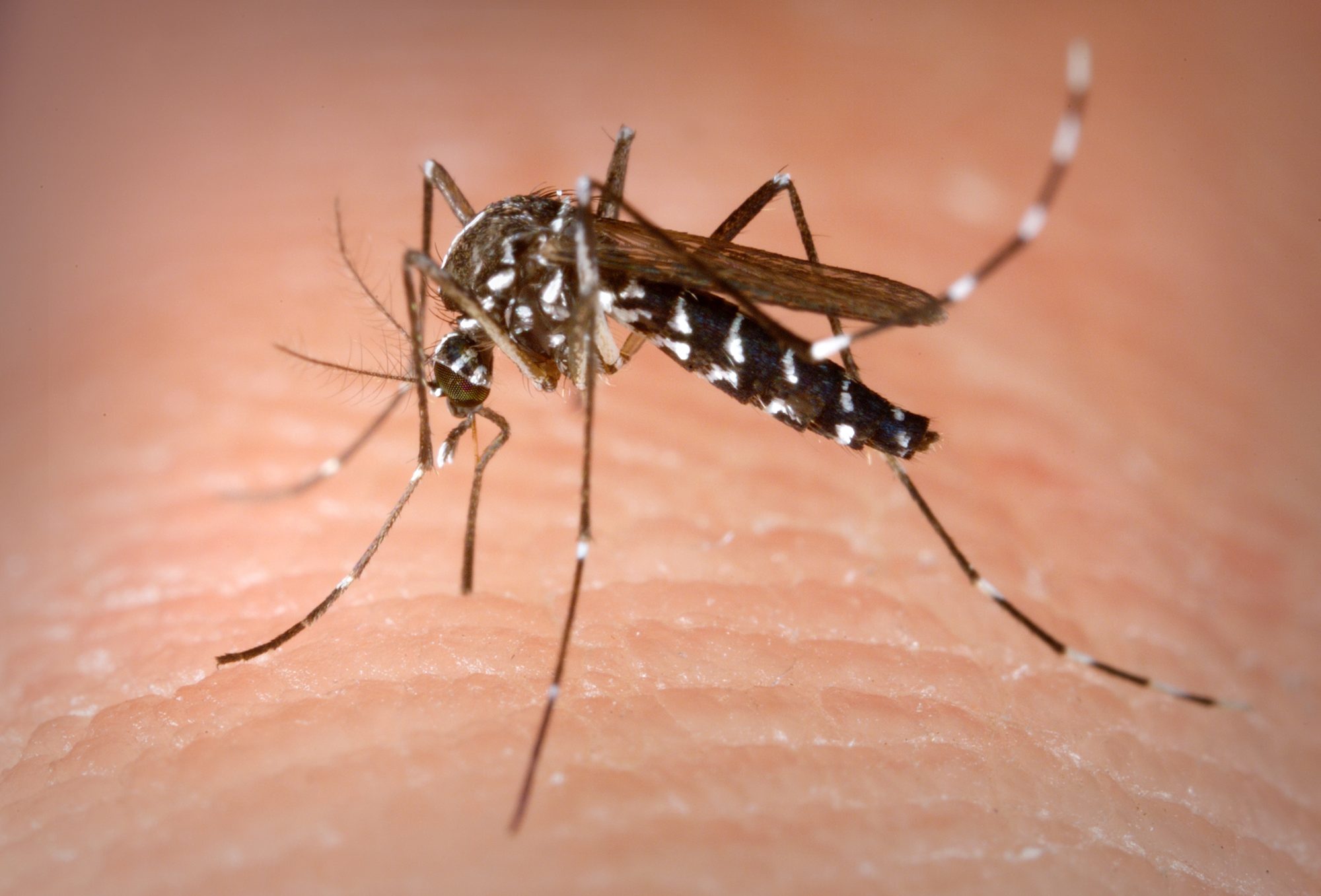
An invasive mosquito that breeds in backyard flowerpots is driving a surge in biting complaints across the North Shore.
The North Shore Mosquito Abatement District (NSMAD) and Evanston Health and Human Services reported the increase is largely driven by the Asian tiger mosquito. The species lays eggs in small containers around homes: flowerpots, buckets, children's toys, birdbaths and clogged gutters, according to a Sept. 19 advisory from the agencies.
That breeding habit makes the tiger mosquito nearly impossible for the district to control at scale. NSMAD is conducting hundreds of property inspections in response.
The district is urging residents to dump, drain and discard any standing water on their property, and to do it regularly. Yard sprays offer only temporary relief and do not eliminate breeding sources, the district said.
Removing standing water is the most effective long-term fix.
The species arrived faster than scientists expected. The Asian tiger mosquito was introduced to Texas in the 1990s and was not predicted to reach Chicago until 2050. It is already well established in Evanston, NSMAD Executive Director Mark Clifton said in a Sept. 7 Evanston Roundtable report on climate change and invasive species.
Compared with 50 to 60 years ago, the tiger mosquito has become 10% more efficient at transmitting diseases, Clifton said in that same discussion.
Weather has compounded the problem. The summer of 2026 was the 17th-wettest in Chicago since 1871, with 15.38 inches of rain from June 1 through Sept. 1. That is more than three inches above average, the Chicago Tribune reported.
At least 13 people in Illinois contracted West Nile virus in 2026, and the state's first West Nile-related death was announced Sept. 1, according to the Tribune. West Nile virus-positive mosquitoes have been detected in Glencoe, Winnetka, Kenilworth, Northfield and Wilmette this year, Patch reported.
The mosquito season in the Chicago region has expanded from May through August to late March through mid-October, Clifton said in the Sept. 7 discussion. NSMAD has not sprayed for adult mosquitoes in eight years, relying instead on a targeted larval control program.
But the tiger mosquito's container-breeding habits put the front line in residents' yards, not in open waterways.
The district recommends EPA-registered repellents containing DEET, picaridin or oil of lemon eucalyptus. Residents can report standing water that has been present four or more days, or request a free property inspection, by calling 311 or visiting nsmad.org.