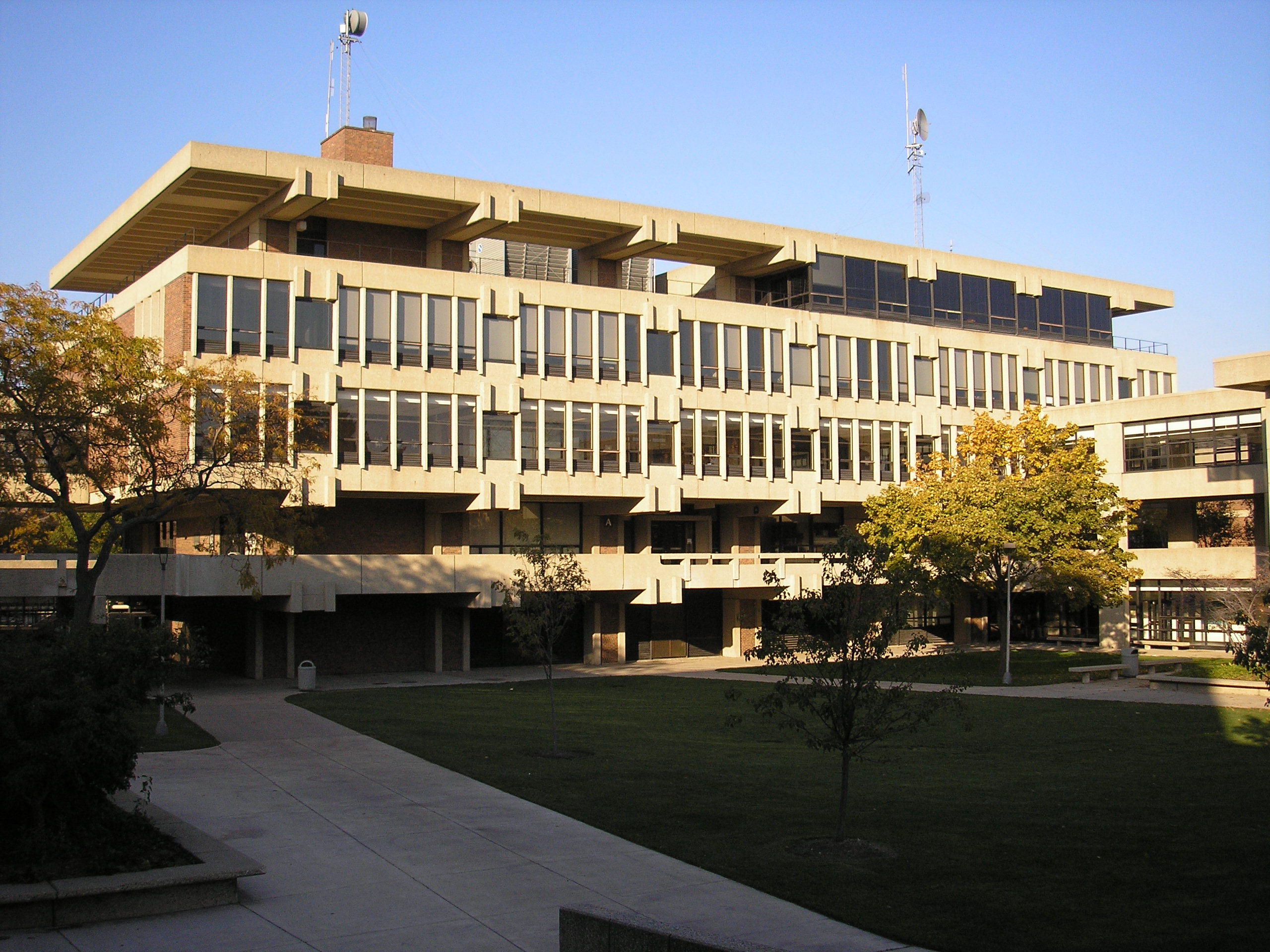
The school boards that oversee Crow Island Elementary, Washburne Middle School, Joseph Sears School, Highcrest Middle School, and New Trier High School can now take on double the debt they could two years ago, and they don't need voter approval to do it.
A state law signed by Gov. JB Pritzker in June 2024, House Bill 4582, doubled the statutory borrowing limit for Illinois elementary and high school districts from 6.9% to 13.8% of equalized assessed value. The change affects all six North Shore school districts, though debt figures are publicly available for only two of them.
The July 13 facilities plan
The timing matters for North Shore families. New Trier District 203's Board of Education is scheduled to present a 15-year facilities plan on Sunday, July 13, at the Northfield campus (7 Happ Road), according to district communications. That presentation arrives with the board holding significantly expanded borrowing authority it did not have when the last facilities plan was drafted.
None of the six North Shore districts has issued a public statement on how the expanded authority will affect local borrowing plans.
What the local numbers show
New Trier District 203 carried $134.9 million in outstanding long-term debt as of fiscal year 2024, according to DuPage Policy Journal's analysis of state data. That debt consumed 28.7% of the district's borrowing capacity under the old 6.9% limit. Under the new 13.8% ceiling, that same $134.9 million represents roughly 14% of available capacity, freeing hundreds of millions in potential new debt authority without a referendum.
Winnetka District 36, which serves families at Crow Island, Greeley, Hubbard Woods, and Washburne, held $54.4 million in debt, using 45.6% of its old cap. Debt figures for Wilmette District 39, Kenilworth District 38, Glencoe District 35, and Sunset Ridge District 29 are not publicly available in state reporting; families can request them through each district's FOIA officer.
Working Cash bonds expand too
The same legislation expanded Working Cash bond authority to include state Evidence-Based Funding allocations in the borrowing calculation. With Illinois's FY27 budget increasing total EBF to $9.2 billion (up $350 million over FY26), districts receiving those funds can issue larger Working Cash bonds, according to the Illinois Association of School Boards' end-of-session report.
Statewide borrowing was already rising before the law took full effect. Districts issued $390.1 million in long-term operational debt in FY2024, up 39.9% from $278.8 million the prior year, according to ISBE data. Of that total, $340.5 million went to Working Cash Fund bonds.
How other districts have responded
The law has drawn sharp reactions elsewhere in Illinois. In Effingham, community members gathered thousands of petition signatures after their school board proposed $55 million in bonds for a new school without a referendum. The board reversed course at a special meeting on Tuesday, June 30. "The issue isn't about the funding. The issue is about our right to vote, and they took that away from us," petition organizer Shannon McClurg told The Bond Buyer.
Closer to home, Evanston Township High School District 202 has proposed issuing $15 million in bonds under HB 4582 to fix HVAC violations without a public vote, according to The Bond Buyer.
Because the 13.8% formula is tied to EAV, the 2025 Cook County reassessment of New Trier Township properties will reset each district's debt ceiling. Property values in the township have risen in every recent reassessment cycle.
North Shore Schools Week Ahead
- Sunday, July 13 | New Trier District 203 Board of Education | Northfield campus, 7 Happ Road, Northfield | 15-year facilities plan presentation. Public comment is standard at board meetings. Agenda not yet posted to BoardDocs as of publication; check go.boarddocs.com/il/newtrier/Board.nsf/Public.