Regular gasoline averaged $4.83 per gallon across the Chicago metropolitan area Oct. 22, about 56 cents above the national average, according to AAA.
The gap traces to a cluster of refinery problems across the Great Lakes region, according to AAA data posted Oct. 22. Diesel in Illinois averaged $6.56 per gallon, down from a record $6.83 on Sept. 23 but still nearly 80% higher than a year ago.
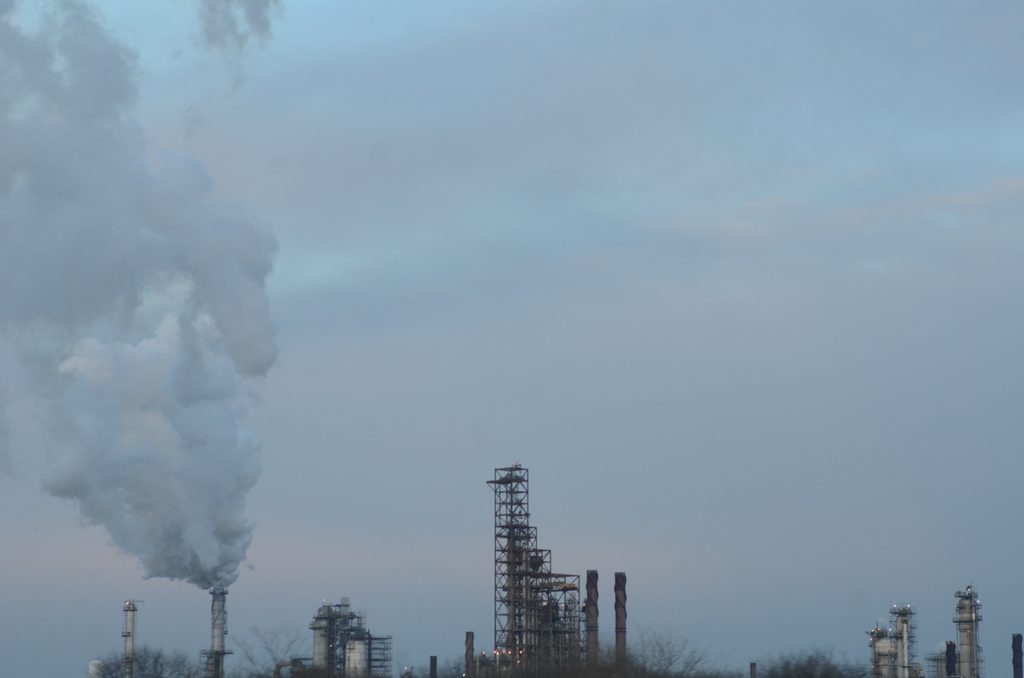
Three overlapping disruptions are behind the squeeze, RE Journals reported. The ExxonMobil refinery in Joliet, a 275,000-barrel-per-day plant in Will County, suffered a total power outage on Sept. 13 that forced an emergency shutdown. The facility produces roughly 11 million gallons of gasoline and diesel daily and accounts for about 6% of all Midwest refining capacity. Its fuel feeds pipelines serving Illinois, Indiana, Iowa, Michigan and Wisconsin.
Before the Joliet plant fully recovered, ExxonMobil shut a 50,000-barrel-per-day catalytic reformer at the same facility on Oct. 20, Texas Energy Report reported. An ExxonMobil spokesperson said Oct. 21 the company was working to resolve an operational issue but gave no restart date.
The Joliet outages coincided with planned maintenance at the Cenovus refinery in Lima, Ohio, which took another 185,000 barrels per day offline starting in September. The BP Whiting refinery in Indiana, the Midwest's largest, has also been running with restricted capacity. About 800 BP workers have been locked out since March 19 in a contract dispute with the United Steelworkers, In These Times reported.
What North Shore residents are paying
The Bureau of Labor Statistics reported that gasoline prices in the Chicago-Naperville-Elgin area, which includes Cook County, rose 6.3% from August to September. Year over year, the gasoline index climbed 28.9%.
The pain reaches beyond the pump. Suburban school districts that operate their own diesel bus fleets have been among the hardest hit, the Chicago Tribune reported. Naperville Unit District 203, which runs more than 120 diesel buses for roughly 16,000 students, expects to spend an extra $300,000 on fuel this school year if diesel prices hold. No North Shore school districts have made public statements on the spike's impact on their transportation budgets.
In Wilmette, the Park District's push toward electric and hybrid equipment offers a partial buffer. The Wilmette Park District reported that about half its fleet has transitioned to electric, hybrid or battery-powered alternatives, and the district reduced fuel consumption by roughly 400 gallons in the past year. The district was ranked No. 47 in the NAFA Fleet Management Association's 2026 Green Fleet Awards.
How long the squeeze may last
Patrick De Haan, head of petroleum analysis at GasBuddy, told the Tribune that diesel prices may decline slightly in the weeks ahead as the Joliet plant resumes operations. Per-gallon diesel had already dropped more than 25 cents since the Sept. 23 peak.
Longer-term relief is uncertain. "A lot of that is a function of the continued evolution in the situation between the U.S. and Ukraine, and the U.S. and Iran," De Haan told the Tribune. "If we see some improvement in tensions there, then we could see some relief."
RE Journals noted the pressure stems largely from a temporary regional bottleneck and that prices should stabilize as the Joliet refinery returns and BP Whiting's maintenance ends. The Oct. 20 catalytic reformer shutdown complicates that forecast. ExxonMobil has not disclosed a restart date for the unit.