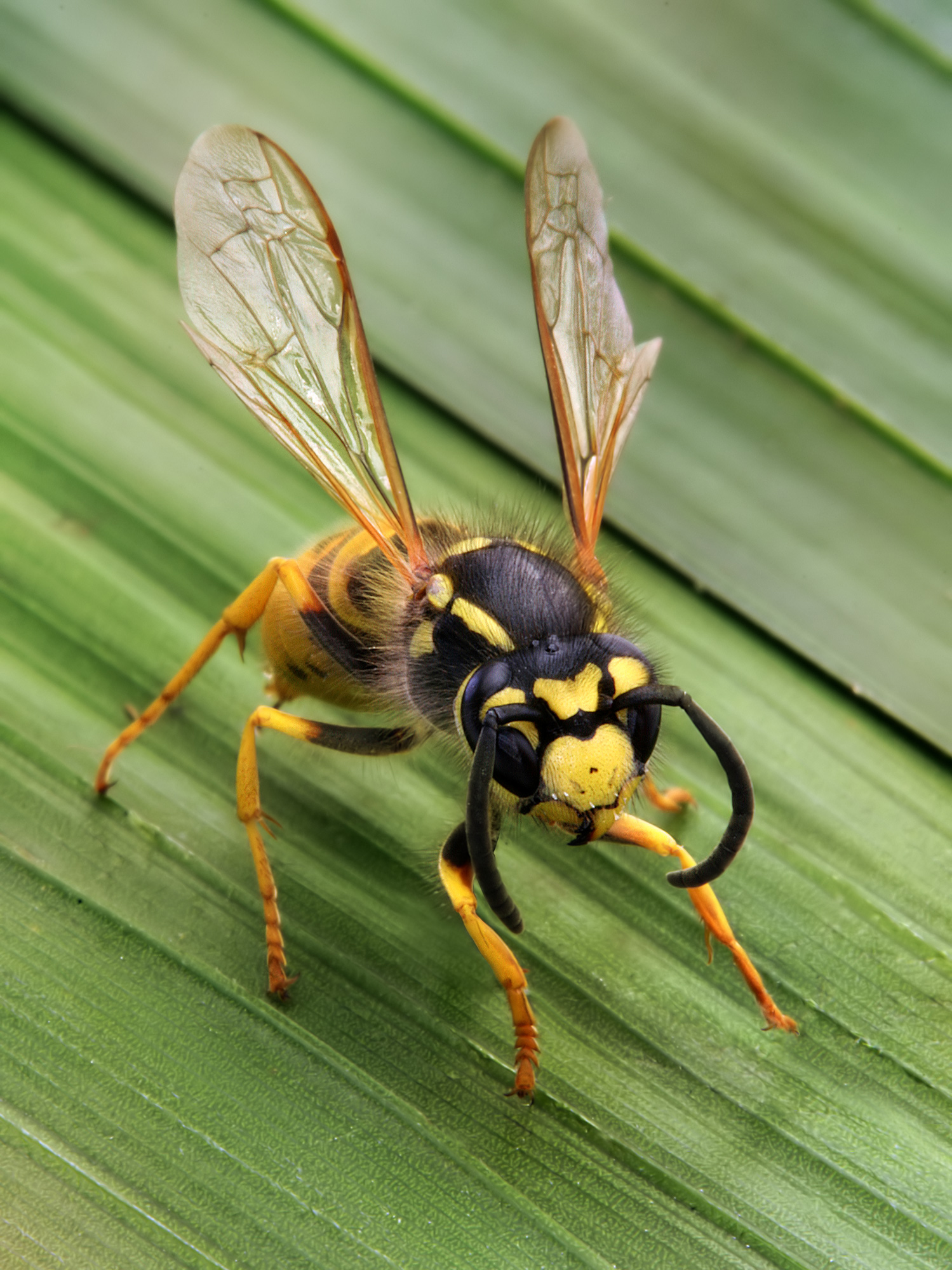
The two-inch wasps buzzing around brick driveways and garden beds across the North Shore right now look terrifying. They're not.
Tim Johnson, senior director of horticulture at the Chicago Botanic Garden in Glencoe, wrote in his Saturday, July 25, Chicago Tribune gardening column that cicada killer wasps are beneficial insects that help control cicada and katydid populations. Johnson, who has worked at the Garden since January 1985, said he welcomed the wasps back to his own brick driveway this summer.
"I was happy to see them return to my brick driveway last week when I saw the first characteristic hole appear," Johnson wrote. "Since then, I have routinely seen them buzzing around the driveway, paying me no attention as I move about the area."
What they look like
Cicada killers are about 2 inches long, black to red with yellow-banded markings on the abdomen. The head and transparent wings are reddish brown. Their size makes them look alarming, but Johnson wrote that the threat is minimal. Males cannot sting at all. Females can sting but lack the instinct to guard their nest the way honeybees do. The only realistic way to get stung: stepping on one barefoot or grabbing one with bare hands.
What they're doing in your yard
The female cicada killer digs a 6- to 10-inch-deep burrow in the ground, about half an inch wide, leaving a telltale pile of sand or soil at the entrance. She hunts cicadas and katydids, paralyzes them with a sting, drags them into the burrow, and lays an egg on the prey. The larva hatches and feeds on the paralyzed insect underground. Full-grown larvae overwinter in the burrow, pupate in spring, and emerge as adults in July and August. They return to the same spot year after year.
Residents along the Green Bay Trail, near Gillson Park, or anywhere else with bare patches of soil between pavers, in sandboxes, or under playground equipment may spot the characteristic entrance holes.
If they're a nuisance
Johnson recommends covering bare soil with mulch, ground covers, or sod. Cover sandboxes with a tarp when not in use. Rake sand under playground equipment. Irrigation can also deter nesting. But his bottom line: "The best course of action is always to just leave them alone."
Got questions?
The Chicago Botanic Garden's Plant Information Service takes gardening and plant identification questions by email at [email protected] or by phone at (847) 835-0972 during business hours.