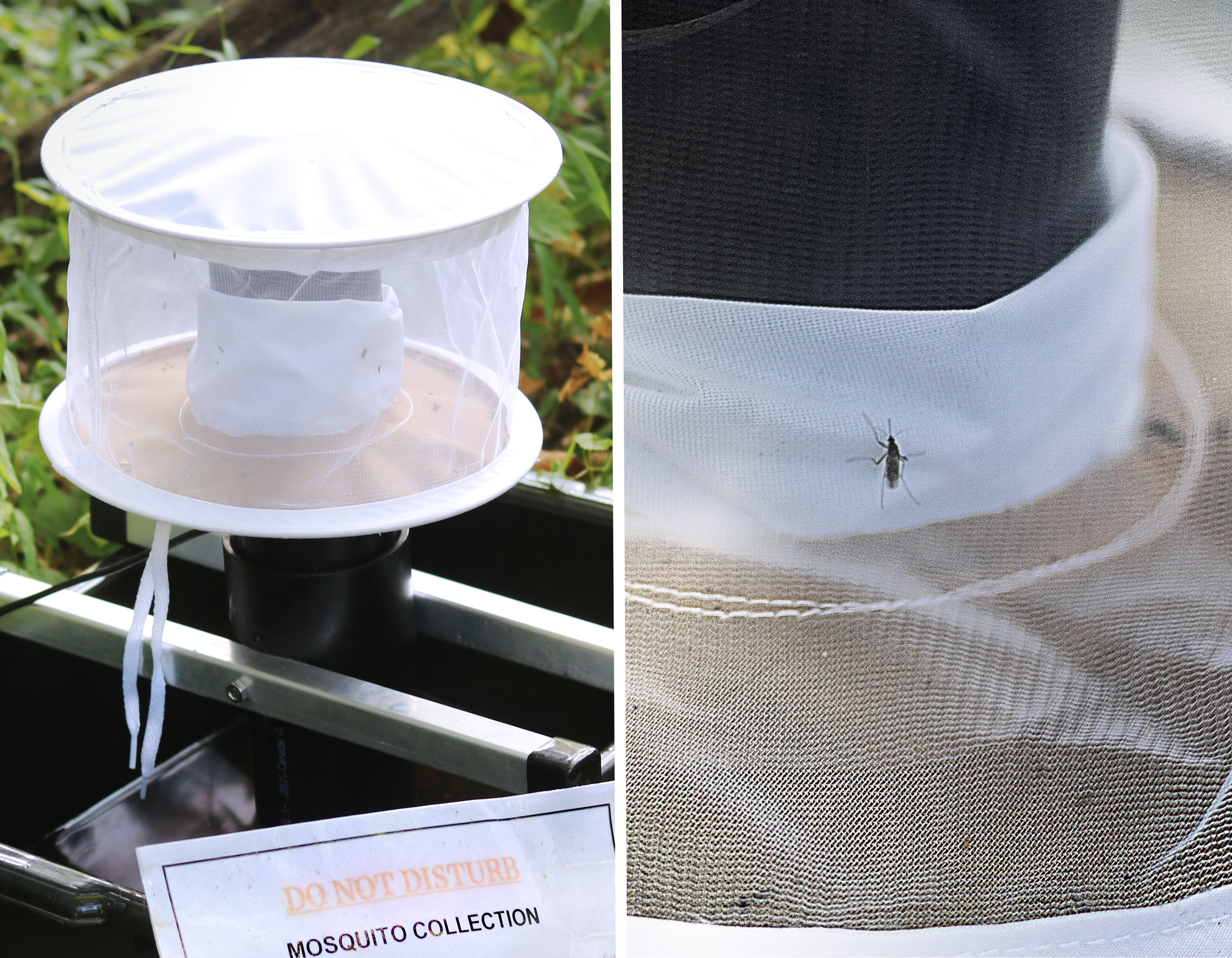
West Nile virus-positive mosquitoes have now been confirmed in five North Shore communities this season after the North Shore Mosquito Abatement District detected the virus in Lincolnwood on Wednesday, June 25.
Two batches of mosquitoes collected Tuesday, June 24, from an NSMAD trap in Lincolnwood tested positive in the district's lab the following day. Evanston, Northbrook, Wilmette, and Glenview had already recorded positive samples earlier this month.
The detections have come in quick succession. Evanston recorded the season's first positive test, followed by Northbrook on June 9, Wilmette on June 16, and Glenview on June 23. Five communities confirmed positive in under three weeks.
The Lincolnwood detection arrived four days earlier in the season than it did in 2024, when the district's first positive Lincolnwood sample was collected Friday, June 28 of that year.
"The detections will increase as we move forward in the season," NSMAD Executive Director Mark Clifton told the Pioneer Press on June 19. Clifton said the district recorded its highest West Nile infection rate on record in 2025, with roughly 56 out of every 1,000 mosquitoes testing positive at that season's peak.
The NSMAD said in its Lincolnwood detection notice that the current human risk level remains low but recommended residents take personal protection measures to minimize mosquito bites.
Large outdoor gatherings are scheduled across the North Shore in the coming days. The Wilmette Fun & Fireworks celebration begins at 5 p.m. Thursday, July 3, at Gillson Park. Glencoe's Party in the Park runs from 5 p.m. to 10 p.m. the same evening at Lakefront Park, 99 Park Ave., with fireworks over the lake at 9 p.m.
The district recommends four precautions: use an EPA-registered insect repellent outdoors, wear loose-fitting clothing, avoid time outside during peak mosquito hours around dawn and dusk, and eliminate standing water on your property. Buckets, clogged gutters, plant containers, and kiddie pools are common breeding sites for Culex pipiens, the primary West Nile carrier.
Residents 50 and older face the highest risk of serious illness, according to the NSMAD. Symptoms, when they appear, include fever, headache, body aches, and fatigue, typically beginning two to 14 days after a bite. Most infected people show no symptoms.
Current test results are available on the NSMAD's public surveillance dashboard at nsmad.org.
For more information on West Nile virus symptoms, risk factors, and prevention, visit cdc.gov/westnile.