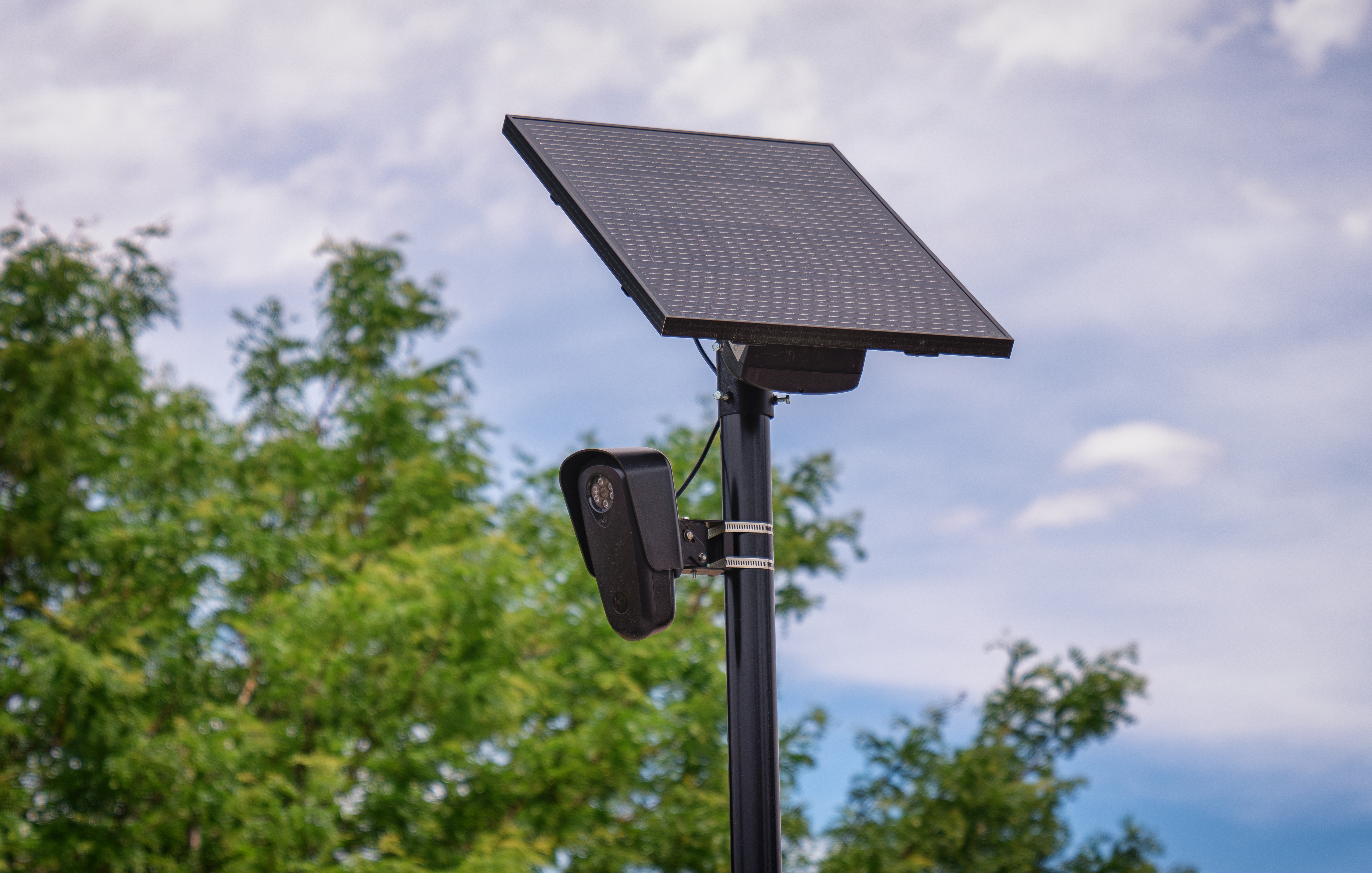
Wilmette's 22 license plate reader cameras face a decision point on Wednesday, Oct. 14, when the village's Public Safety Committee takes up the Flock contract again.
The full Village Board will then consider the proposed renewal at its Wednesday, Nov. 11 meeting, according to Patch. The village contracted with Flock Safety in 2022 to install the automated license plate reader, or ALPR, cameras. The current contract expires in December 2026, and officials are weighing an extension through January 2029.
Residents packed a Public Safety Committee meeting in early September and pushed back hard. One resident told the committee that surveillance "turns all of us into suspects" and presumes wrongdoing "instead of going after the bad guys."
Trustees Gerry Smith, Mike Lieber and Stephen Leonard pressed police leadership on privacy protections, access controls and Flock's corporate practices. Lieber asked whether the department has a policy for officers who misuse camera data.
Wilmette Police Chief Michael Robinson said any officer who misused data would be terminated. He said the department restricts camera data to investigations involving jailable offenses and does not use it for local ordinance violations, reproductive rights, healthcare status or immigration enforcement.
"We have one of the most restrictive policies of any Flock user that we know about, and we intend to stay that way," Robinson said at the September committee meeting.
Robinson pointed to a November 2025 residential burglary investigation in which detectives used Flock data to connect a suspect vehicle to crimes in Wilmette and neighboring communities. He said that link would not have been possible if the data had been deleted sooner.
The village's official ALPR page states that all data is purged after 30 days unless it is evidence in a criminal case. The system does not use facial recognition and does not capture images of drivers or passengers, according to the village.
That 30-day window is now longer than what Flock itself recommends. The company announced Aug. 13 that it was cutting its default retention period from 30 days to seven days, Shaw Local reported. The change does not bind agencies with existing contracts. Flock said more than 90% of plate searches happen within a week of the data being logged.
Privacy concerns extend beyond Wilmette. The Chicago Tribune reported Sept. 13 that an Evanston resident, Curtis Evans, 66, has been biking through northern suburbs since mid-July marking Flock cameras with neon pink poster board. Evans found one camera pointed toward the entrance of a middle school in Wilmette.
The Tribune also reported that multiple officers in Illinois and neighboring states have been charged with misusing Flock systems to track former romantic partners. Residents at the Wilmette committee meeting cited a 2025 incident in which the Illinois secretary of state found that Texas agents searched Illinois Flock databases to pursue a woman who had an abortion.
State Rep. Nicolle Grasse, an Arlington Heights Democrat, is co-sponsoring the Automated License Plate Recognition System Act. The bill would limit which crimes the cameras could investigate and require agencies to delete data within three days. It remained in committee as of Sept. 13.
Neighboring Skokie, which operates 27 Flock cameras, launched its own review after residents raised similar objections at a Sept. 9 Village Board meeting, the Record North Shore reported. Skokie Police Chief Jesse Barnes told the board at that Sept. 9 meeting that he had not foreseen the technology being used for immigration enforcement or reproductive-rights cases. Skokie's review is expected by March 2027.
Wilmette residents who want to weigh in can attend the Oct. 14 Public Safety Committee meeting or the Nov. 11 Village Board meeting. Agendas and meeting details are posted at wilmette.com.