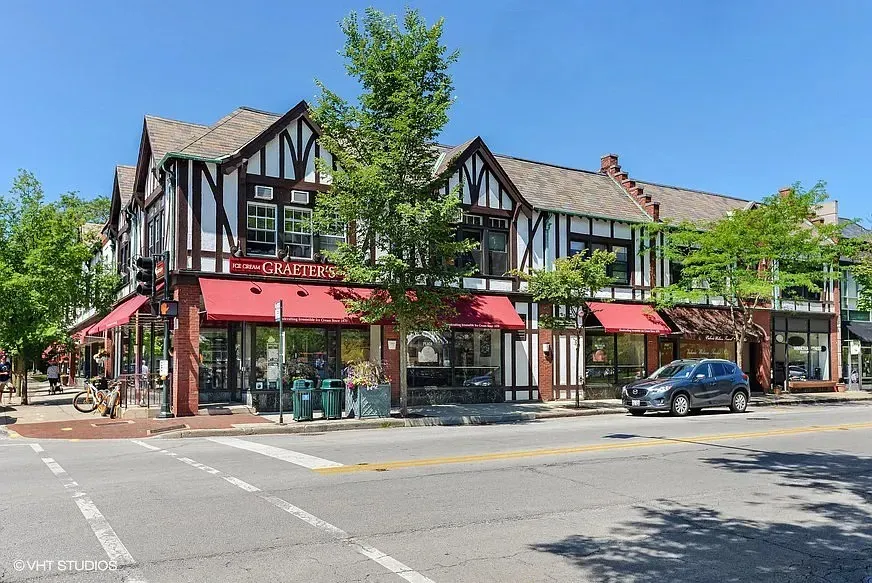
Commercial landlords along Green Bay Road, Elm Street in Winnetka, and the Wilmette business district near the Metra station still don't know what their 2026 property tax bills will look like. A watchdog report released Tuesday, July 21, explains why.
Cook County Inspector General Tirrell Paxton concluded that a "myriad of problems spread across all parties involved … created a perfect storm" inside the county's decade-long property tax system overhaul, a project that has ballooned from a $30 million contract approved in 2015 to $63 million spent so far, with the system still incomplete. The findings were reported by the Chicago Tribune.
Local impact
Second-installment tax bills, normally mailed in July and due August 1, will instead arrive in September with a due date the county has estimated at Wednesday, October 1, according to Cook County Board President Toni Preckwinkle's June announcement. Those bills will be the first to reflect the township-wide 39% growth in total assessed value that Cook County Assessor Fritz Kaegi released for New Trier Township in April 2025. A 39% jump in total assessed value does not automatically mean a 39% jump in any individual bill — final amounts depend on the tax rate set by the Cook County Clerk, which has not yet been determined.
But for commercial tenants negotiating lease renewals on Park Avenue in Glencoe, Waukegan Road in Northfield, or anywhere in the Wilmette business district, the uncertainty complicates planning. Bills reflecting new assessments will land roughly eight weeks before year-end expenses, instead of the usual five months.
Last year's billing delays pushed second-installment due dates to Monday, December 15, 2025. Cook County school districts estimated those delays cost them more than $120 million in borrowing and workaround expenses, according to testimony at a June 10 county board hearing.
To bridge the gap this cycle, Preckwinkle opened the expanded Property Tax Bridge Fund Program on Monday, July 20, offering up to $300 million in no-interest loans to eligible suburban taxing districts — including school districts, park districts, libraries, and municipalities that rely on property taxes for at least 50% of their revenues. Applications close Monday, August 24. In the 2025 cycle, only 19 taxing bodies received $23.2 million, suggesting much of the $300 million pool may again go untapped.
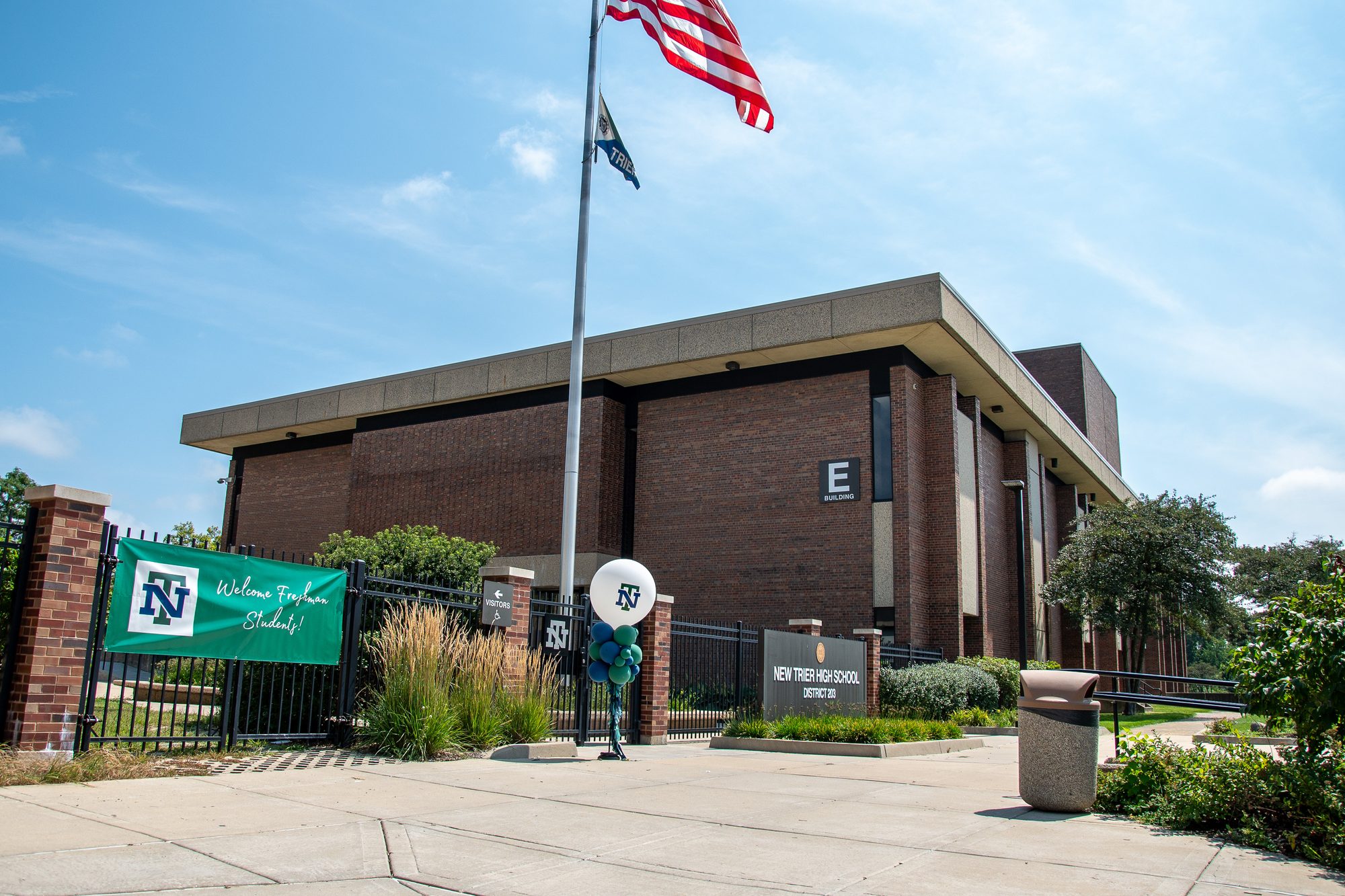
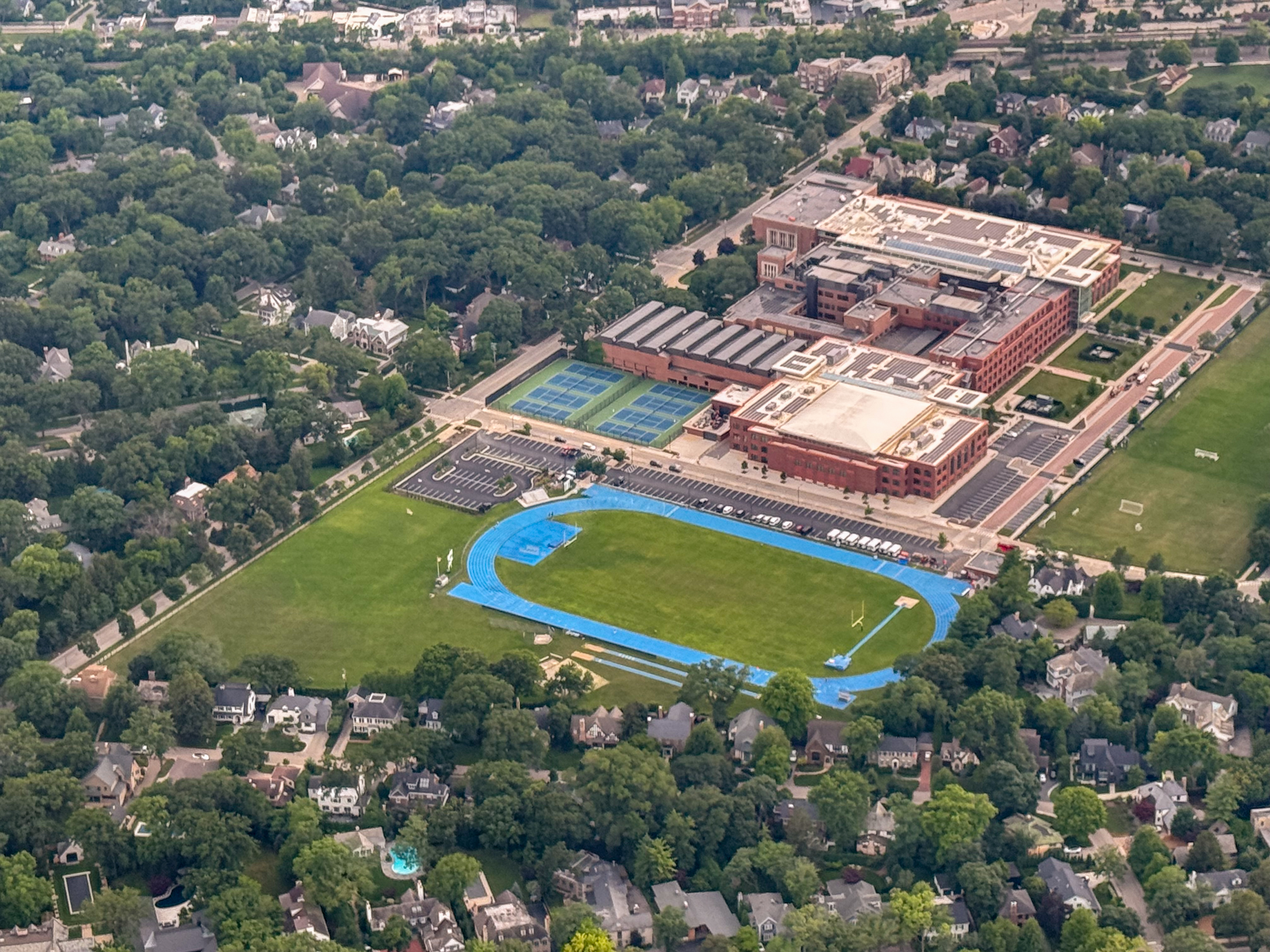
North Shore districts including New Trier High School District 203, Wilmette District 39, Winnetka District 36, and Glencoe District 35 are all eligible.
What the IG found
Paxton's office blamed fragmented governance. "Key functions are divided among separately elected officials whose offices operate with significant autonomy," the report stated. Requirements for the Tyler Technologies system were never fully defined at the outset, changed midway through, and "were interpreted differently by each separately elected office."
Tyler cycled through project managers and failed to dedicate enough staff. Inside county tax offices, the upgrade was not always overseen by subject-matter experts who understood the old mainframe. The county withheld an estimated $15 million from Tyler over four years because of persistent problems.
The report also found that Treasurer Maria Pappas' office "has been less than fully cooperative" with implementation. A staff member in her office "used highly offensive, demeaning and racially charged statements aimed at Contractors and County employees which delayed the project," according to the IG. Tyler Technologies eventually cut off Pappas from communicating with their staff directly.
In her written response, Preckwinkle conceded that hiring an outside coordinator sooner "could have facilitated more efficient tax-administration implementation and stability."
The Bureau of Technology and the procurement office that signed the original Tyler contract both fall under Preckwinkle's office. The full IG report is available through the Cook County Office of the Independent Inspector General at cookcountyil.gov.